If Your Veins Are Visible, It Means You Are…
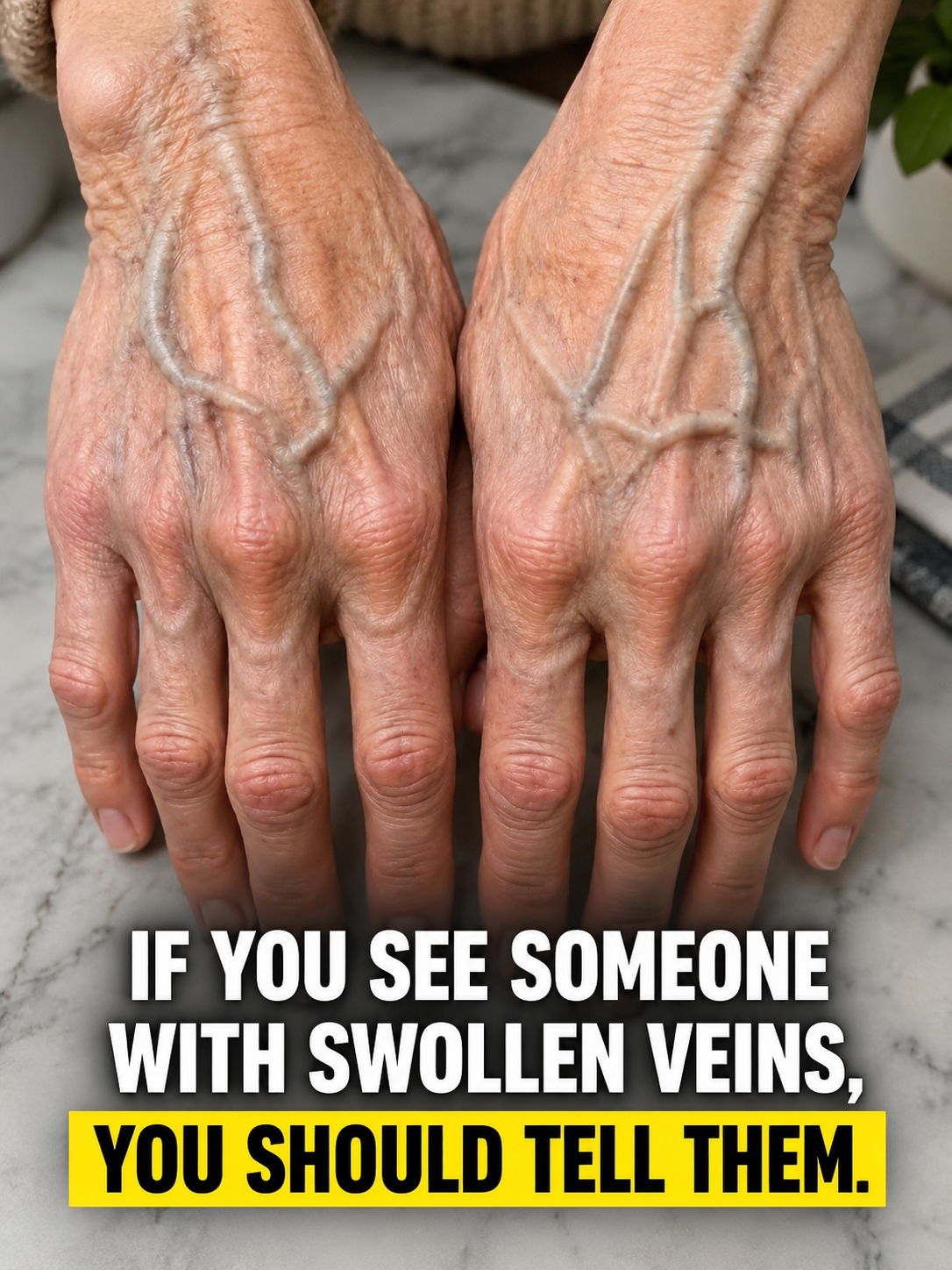
Many people notice that, over time or under certain circumstances, the veins in their hands become more visible. While this may be alarming at first, it is usually harmless. However, it is important to pay attention to it, as it could be a sign of physical changes or, in some cases, a health issue that requires medical attention.
Why Do Veins Become More Visible?
One of the most common causes of visible veins is a low percentage of body fat. Thin or very muscular people may have less tissue covering their veins, which can make them appear more prominent. This can be even more noticeable in people who exercise regularly, especially during weightlifting or high-intensity workouts, because physical activity temporarily increases blood flow and can cause veins to become more prominent.
Another natural factor that plays a role is aging. Over the years, the skin loses collagen, a protein that helps maintain its firmness and elasticity. As the skin becomes thinner and less elastic, internal structures such as veins can become more visible, particularly on the hands, where the skin is naturally delicate.
High temperatures can also contribute to more visible veins. In warm conditions, the body dilates blood vessels to help regulate temperature and release heat through the skin. As a result, veins may become more noticeable after a hot bath, during the summer, or following prolonged exposure to heat.
When Should Visible Veins Be Checked?
While visible veins are generally not a cause for concern, certain changes deserve closer attention. If veins become swollen, change color, or are accompanied by symptoms such as pain, heaviness, or burning, they may be associated with conditions such as varicose veins or inflammation of a vein. In some circumstances, more serious circulation problems can also cause changes in the appearance of veins.
If these symptoms develop, particularly if they appear suddenly or affect only one arm or hand, it is advisable to seek medical evaluation. A healthcare professional can assess the symptoms and determine whether further testing is appropriate.
Visible veins are often explained by ordinary changes in body composition, activity, age, or temperature, but the symptoms that accompany them can reveal when a closer look is worthwhile.What Your Veins May Be Telling You
The appearance of veins can vary considerably from person to person. For some people, prominent veins are simply a normal physical characteristic, while for others they may become more noticeable temporarily because of exercise, heat, or changes in body composition.
The key is to pay attention to changes rather than assuming that visible veins automatically indicate a health problem. Persistent swelling, significant pain, unusual discoloration, or other new symptoms should be discussed with a qualified healthcare professional.