Here’s How to Remove White Patina from Glasses and Make Them Shine with a Cool Trick
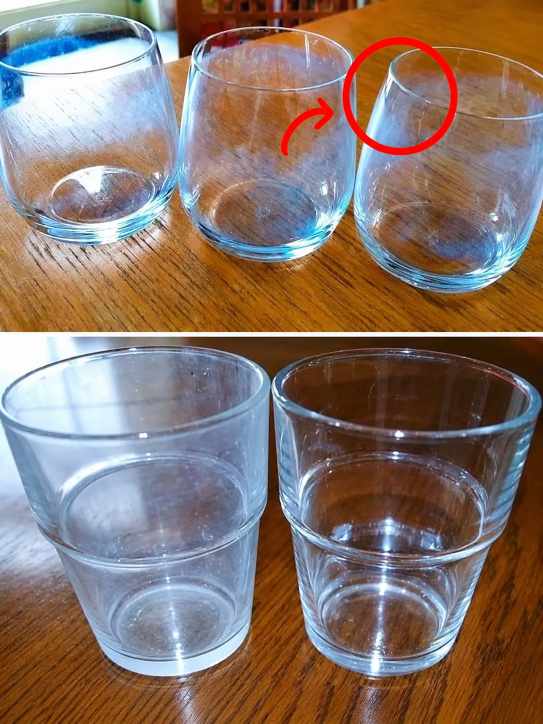
Cloudy glasses with a white film can make even your cleanest glassware look dull. Fortunately, if the cloudiness is caused by mineral buildup, a simple vinegar soak may help restore their shine.
The Vinegar and Baking Soda Soak (For Mineral Buildup)
What You’ll Need
- White distilled vinegar
- Baking soda
- Warm water
- A soft microfiber cloth or sponge
- A bowl or sink
Step-by-Step Instructions
1. Soak in Vinegar
Fill a bowl with equal parts white vinegar and warm water.
Submerge the cloudy glasses for 15–30 minutes. For stubborn mineral spots, you can extend the soaking time to about one hour, provided the glassware is suitable for soaking in vinegar.
2. Scrub Gently
After soaking, sprinkle a small amount of baking soda onto a soft sponge.
Gently clean the glass to help loosen any remaining residue. Avoid abrasive scrubbers that could scratch delicate glassware.
Rinse thoroughly with clean water to remove any remaining vinegar, baking soda, and loosened deposits.
3. Dry to a Shine
Buff the glasses dry with a clean, lint-free microfiber cloth. Avoid paper towels if you want to minimize lint and streaks.
But what if your glasses remain cloudy even after cleaning? The cause may be permanent damage rather than removable residue.
What If the Cloudiness Is Permanent Etching?
Sometimes, the white haze on glassware cannot be removed because the glass surface itself has been damaged. This is known as etching, and it differs from mineral buildup.
Several factors may contribute to permanent cloudiness:
- Harsh dishwasher detergents, including some phosphate-free formulations.
- Very hot water combined with water conditions that can increase glass corrosion.
- Repeated dishwasher cycles that gradually damage the glass surface.
To check whether the haze is removable, try cleaning a small area with vinegar. If the cloudiness remains unchanged, the glass may be etched. Unfortunately, permanent etching generally cannot be reversed with household cleaning methods.
Once you know the difference between mineral deposits and permanent damage, a few simple changes can help keep your glasses clearer for longer.
How to Prevent Cloudiness in the Future
- Hand-wash delicate glassware: Use mild dish soap and lukewarm water instead of putting delicate glasses in the dishwasher.
- Use the right amount of detergent: Follow the manufacturer's instructions and adjust the amount according to your dishwasher and water conditions.
- Avoid excessive heat: Choose a suitable dishwasher cycle or allow glasses to air-dry on a clean rack.
- Understand your water quality: Hard water can leave mineral deposits, while very soft water combined with unsuitable detergent and high temperatures may contribute to glass corrosion. Adjust your dishwasher settings accordingly.
- Use rinse aid when appropriate: Rinse aid can help reduce water spots and improve drying. Choose a product that suits your dishwasher and preferences.
Final Thought
White, cloudy glassware does not always mean your glasses are ruined. If mineral deposits are responsible, soaking them in diluted white vinegar and gently cleaning them may help restore their clarity. However, if the glass has been permanently etched, cleaning alone will not bring back its original shine.
With the right cleaning method and a few preventive habits, you can help keep your glassware looking clean, clear, and sparkling.