How to Freeze Bread Properly to Preserve Freshness and Prevent Dryness
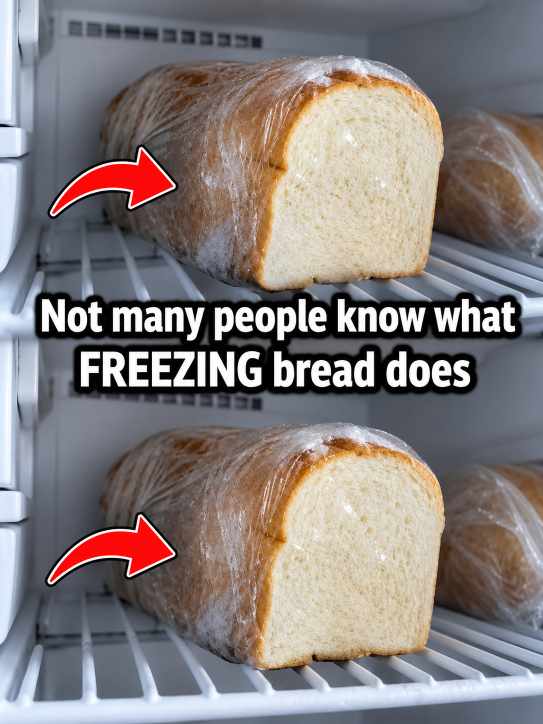
Freezing bread can preserve its freshness, but improper storage can cause dryness, tough texture, or freezer burn.
With two growing boys at home, bread disappears faster than I can buy it. Sandwich loaves vanish in a day, buns and bagels rarely make it to the second breakfast, and English muffins are gone before lunch. To keep up, I’ve developed a routine: buy extra bread when it’s on sale and freeze what we won’t use immediately. This strategy saves money, helps prevent waste, and ensures that breakfast and lunch options are always ready, even on chaotic mornings.
Common Mistakes When Freezing Bread
Freezing bread, however, comes with a few pitfalls. If it isn't packaged properly, it can dry out, become tough, or develop freezer burn. These issues often occur when too much air is trapped in the bag or when bread is frozen in a way that makes individual portions difficult to separate.
The key to preserving texture and flavor is simple: slice the bread while it’s fresh, arrange the slices on a parchment-lined baking sheet in a single layer, and freeze them uncovered for one to two hours. This process, known as flash-freezing, helps prevent the slices from sticking together, making it easier to remove only what you need later.
How to Store Frozen Bread Properly
Once the slices are frozen, transfer them to a resealable freezer bag and press out as much air as possible before sealing. For extra protection against moisture loss and freezer odors, consider double-bagging the bread or wrapping it securely in foil before placing it in a freezer-safe bag.
This method also works well for buns, bagels, English muffins, and specialty breads. Proper packaging helps maintain their quality and makes it convenient to enjoy them whenever you need them.
The Best Ways to Thaw and Use Frozen Bread
When you're ready to eat, you can toast bread slices directly from the freezer without thawing them first. Alternatively, leave the bread in its airtight packaging at room temperature until it has thawed.
Avoid microwaving bread without protection, as excessive or uneven heating can make it tough or rubbery. If you prefer using a microwave, wrap the bread in a suitable microwave-safe covering and heat it briefly, checking frequently to prevent overheating.
With the right storage method, there's an easy way to make frozen bread a convenient everyday staple without sacrificing too much of its original texture.
A Simple Routine That Saves Time and Reduces Waste
By taking these small steps, slicing, flash-freezing, and storing bread properly, you can make your freezer a reliable resource for everyday meals. This approach helps reduce food waste, saves money, and ensures that bread is available when you need it.
Over time, this simple routine can transform bread from a short-lived household staple into a convenient, ready-to-use ingredient that makes busy mornings and quick lunches easier to manage.