Why You Should Switch to Date Seed Coffee (And How to Make It at Home)
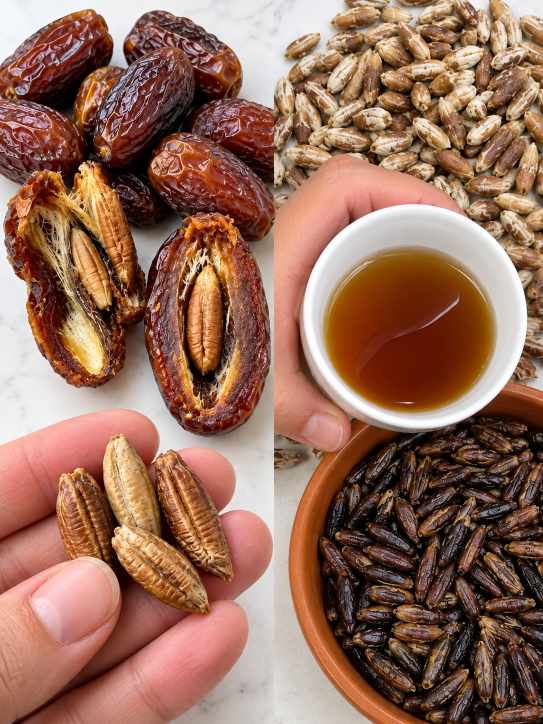
Coffee is one of the most consumed beverages in the world, yet many people experience unwanted side effects from it—jitters, acid reflux, poor sleep, or energy crashes. As a result, more people are searching for natural alternatives that still offer a rich taste and a comforting ritual.
One option that has quietly existed for centuries is date seed coffee—a drink made from roasted date pits. Traditionally used in parts of the Middle East and North Africa, this beverage transforms what is usually thrown away into a nutritious, caffeine-free coffee substitute. Some of its potential health benefits have also been investigated, although evidence for specific health effects is still developing.
Below you will discover why date seed coffee may deserve a place in your daily routine, followed by a complete guide on how to collect, prepare, roast, grind, and brew it at home.
Health Benefits of Date Seed Coffee
1. Naturally Caffeine-Free
Date seed coffee contains zero caffeine, making it an option for people who:
• Struggle with sensitivity to stimulants
• Have high sensitivity to caffeine
• Experience difficulty sleeping after consuming caffeine
• Want to reduce their caffeine intake
You can drink it in the evening without the caffeine-related stimulation associated with regular coffee.
2. Gentle on the Stomach
Unlike regular coffee, date seed coffee is generally considered a low-acidity beverage. Some people may find it easier to tolerate than coffee, particularly if they are sensitive to acidic drinks.
3. Rich in Antioxidants
Date seeds contain natural polyphenols and flavonoids that have antioxidant activity. These compounds may help:
• Neutralize free radicals
• Support the body's defenses against oxidative stress
• Contribute to overall cellular health
However, the effects of roasted date seed beverages in humans have not been established as a treatment for aging or disease.
4. Supports Digestive Health
Traditionally, date seed preparations have been used in some cultures as digestive drinks. Date seeds also contain dietary fiber, although the amount consumed in a brewed beverage can vary.
They may be enjoyed as part of a varied diet, but stronger evidence is needed before making specific claims about bowel regularity, bloating, or gut bacteria.
5. May Support Liver Function
Date seeds have been studied for potential protective effects on the liver, particularly because of their antioxidant compounds. However, much of this research is preliminary, and there is not enough evidence to conclude that drinking date seed coffee improves liver function or detoxification in humans.
6. Provides a Caffeine-Free Alternative to Coffee
Because date seed coffee does not contain caffeine, it can provide a warm, roasted beverage experience without the stimulant effects of coffee.
It does not provide the same caffeine-driven increase in alertness, so it may be better viewed as a comforting coffee alternative rather than a source of stimulant energy.
7. Contains Valuable Minerals
Date seeds naturally contain small amounts of minerals such as:
• Potassium
• Magnesium
• Iron
• Phosphorus
The nutritional contribution of these minerals from a brewed date seed beverage depends on preparation and serving size.
8. Helps Reduce Coffee Dependency
Switching some of your regular coffee servings to a caffeine-free alternative can help reduce overall caffeine consumption.
This may be useful for people who want to:
• Gradually lower their caffeine intake
• Reduce reliance on caffeinated beverages
• Avoid caffeine later in the day
• Establish a different evening beverage routine
If you consume a lot of caffeine, reducing it gradually may be more comfortable than stopping suddenly, as withdrawal symptoms such as headaches can occur.
9. Eco-Friendly and Zero Waste
Date seeds are often discarded after the fruit is eaten. Using them for a beverage can:
• Reduce household food waste
• Make use of an otherwise discarded part of the fruit
• Turn leftovers into something useful
This makes date seed coffee an interesting option for people interested in practical food-waste reduction.
10. Pleasant Coffee-Like Flavor
When properly roasted, date seeds can develop:
• Nutty notes
• Mild caramel tones
• Slight roasted or chocolate-like hints
The resulting flavor can resemble mild coffee or roasted barley beverages, although it does not taste exactly like coffee.
Now that you know what makes this caffeine-free drink interesting, the next step is learning how those hard date pits are transformed into a smooth, roasted beverage at home.How to Make Date Seed Coffee at Home (Complete Guide)
Making date seed coffee is simple but requires patience and proper preparation. Below is everything you need to know.
Step 1: Collecting the Seeds
Use seeds from:
• Fresh dates
• Dried dates
• Any edible date variety
After eating the dates:
• Place the pits in a bowl
• Remove excess fruit flesh with your fingers
• Rinse lightly under water
Tip: Collect seeds over several days until you have a decent quantity.
Step 2: Thorough Washing
Sticky sugar residue should be removed to reduce the chance of burning during roasting.
Method:
• Place seeds in a strainer
• Rinse under warm water
• Rub gently to remove all pulp
• Repeat until clean
Step 3: Drying the Seeds Completely
This step is essential before roasting.
Option A – Air drying:
• Spread seeds on a clean towel
• Let dry for 2–4 days in a well-ventilated area
Option B – Oven drying:
• 100–120°C (210–250°F)
• 1–2 hours
• Keep the oven door slightly open only if appropriate for your oven
• Stir occasionally
Seeds should be completely dry before roasting.
Step 4: Roasting the Date Seeds
Roasting develops the characteristic flavor and aroma.
Oven Method (Best for Beginners)
• Preheat oven to 180°C (350°F)
• Spread seeds on a baking tray
• Roast for 30–45 minutes
• Stir every 10 minutes
Color change:
• Light roast → light brown (mild flavor)
• Medium roast → dark brown (more coffee-like)
• Dark roast → very dark (stronger, potentially bitter and smoky)
Many people prefer a medium to dark roast, but the ideal level depends on personal taste.
Let the seeds cool completely after roasting.
Pan Method (Alternative)
• Use a heavy pan
• Cook over medium heat
• Stir continuously
• Roast for approximately 30–40 minutes
This method requires close attention to prevent the seeds from burning.
Once the roasted seeds have cooled, the most important transformation is still ahead: turning them into a grindable powder and choosing the right texture for your preferred brewing method.Step 5: Grinding the Roasted Seeds
Date seeds are very hard.
Best options include:
• An electric coffee grinder with a strong motor
• A high-power blender
• A grain mill suitable for hard ingredients
Grind until you get a texture similar to:
• Fine sand for Turkish-style brewing
• Coarse coffee grounds for filter brewing or a French press
Store the powder in an airtight jar.
Step 6: Brewing Date Seed Coffee
Method 1 – Boiled (Traditional)
Ingredients:
• 1 teaspoon ground date seed coffee
• 1 cup water
Instructions:
• Add the powder to cold water
• Bring to a boil
• Simmer for 5–10 minutes
• Strain
• Serve
Method 2 – Coffee Machine / French Press
Use the ground date seed powder similarly to regular ground coffee:
• 1–2 teaspoons per cup
• Brew as usual
Adjust the amount according to the strength and flavor you prefer.
Method 3 – Turkish Style
• Use very finely ground powder
• Boil with water in a small pot
• Do not strain if you prefer the traditional unfiltered texture
Optional Additions
You can enhance the flavor with:
• Cinnamon
• Cardamom
• Cloves
• Vanilla
• Milk or plant milk
• Honey or date syrup
The brewing method changes the final taste, but storage matters just as much—here is how to keep your roasted seeds and ground powder fresh for longer.Storage Tips
• Store roasted seeds in an airtight container in a dark, dry place
• Store ground powder in an airtight container and aim to use it within 2–3 weeks for best flavor
• Avoid exposure to moisture
Who Should Consider Date Seed Coffee?
Date seed coffee may be especially interesting for:
• People who want a caffeine-free evening beverage
• Those who are sensitive to caffeine
• People reducing their caffeine intake
• Anyone seeking alternatives to traditional coffee
• People interested in reducing food waste
Pregnant women should still discuss caffeine intake and dietary changes with their healthcare professional, even when considering caffeine-free alternatives.
Date seed coffee is more than a substitute—it is a nutritious, sustainable, and surprisingly enjoyable drink that transforms food waste into a roasted beverage. With no caffeine and a familiar roasted flavor, it offers an interesting alternative for anyone looking to reduce their coffee consumption without giving up the comfort of a warm cup.
Once you try making it yourself, it can become a simple daily ritual that makes use of an often-discarded part of the fruit while offering a different way to enjoy a warm, flavorful drink.