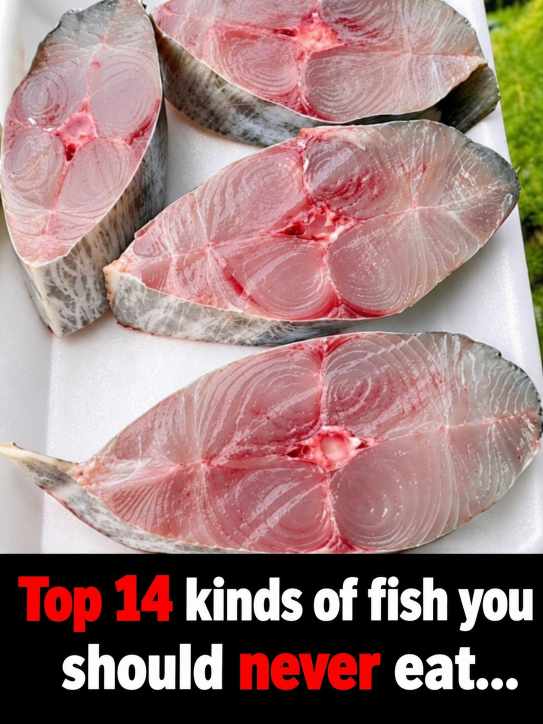
14 Fish You Should Consider Never Eating – Protect Your Health and the Planet

14 Fish You Should Consider Never Eating – Protect Your Health and the Planet

Introduction

Fish is widely considered an important part of a healthy diet. It provides high-quality protein, essential vitamins and minerals, and, in many species, omega-3 fatty acids that support heart and brain health. Compared with many types of red meat, fish is also generally lower in saturated fat, making it a popular choice for people looking to maintain a balanced diet. However, not all fish offer the same nutritional benefits or environmental advantages. Some species may contain elevated levels of mercury and other pollutants, while others are threatened by overfishing or caught using practices that damage marine ecosystems. Choosing seafood carefully is becoming increasingly important. Mercury contamination is a particular concern with large predatory fish because they can accumulate mercury over their lifetimes. Certain seafood may also contain environmental pollutants, while microplastics have been detected in marine environments and some seafood products. Although the health effects of dietary microplastic exposure are still being studied, it is another reason to pay attention to seafood quality and sourcing. Environmental concerns are equally important. Some fish populations have declined significantly because of commercial fishing pressure, habitat destruction, and poor fisheries management. In addition, certain aquaculture operations can contribute to water pollution, disease transmission, and habitat damage if they are not managed responsibly. In this guide, we'll explore 14 types of fish that consumers may want to limit or avoid depending on their mercury levels, conservation status, and production methods. We'll also look at practical alternatives that can help you enjoy seafood while making more informed choices. From sharks and swordfish to certain farmed fish, understanding the risks behind your seafood choices can help protect both your health and the oceans.

Section 1: Understanding the Risks of Eating Certain Fish

Before deciding which fish to avoid, it helps to understand the main concerns associated with seafood consumption. Not every fish on this list presents the same risks, and the level of concern can vary depending on where the fish comes from, how it was caught, and how frequently it is eaten.

Mercury Contamination

Mercury is a naturally occurring element that can enter oceans and freshwater environments through natural processes and human activities. In aquatic ecosystems, certain forms of mercury can accumulate in fish. Large predatory species often contain higher mercury concentrations because they eat smaller fish and accumulate mercury over time. Shark, swordfish, king mackerel, and bigeye tuna are examples of species that can contain elevated levels. High mercury exposure can harm the nervous system, particularly during pregnancy and early childhood. Pregnant women, breastfeeding women, and young children should follow official seafood consumption guidance and avoid fish identified as high in mercury.

Overfishing and Declining Fish Populations

Overfishing occurs when fish are harvested faster than populations can reproduce and recover. This can reduce fish numbers, disrupt marine food chains, and threaten the long-term health of ocean ecosystems. Some slow-growing species are especially vulnerable because they take many years to reach reproductive maturity. Orange roughy is one example of a fish that requires careful management because of its long lifespan and slow reproduction.

Microplastics and Environmental Pollutants

Plastic waste, industrial chemicals, and other pollutants can enter aquatic environments and affect marine life. Microplastics have been found in various seafood species, although scientists are still studying the potential effects of long-term dietary exposure. Some fish may also accumulate persistent environmental contaminants, depending on their habitat and feeding patterns.

Ethical and Sustainability Concerns

The way fish are caught or raised can have a major environmental impact. Some fishing methods damage seabeds, catch unwanted marine animals, or contribute to declining populations. Fish farming can provide an alternative to wild fishing, but its environmental impact depends on farming practices, feed sources, disease management, and waste treatment. Choosing seafood from responsibly managed fisheries and well-regulated aquaculture operations can help reduce these concerns.

Section 2: The 14 Fish to Avoid or Limit

The following fish deserve extra attention because of potential mercury exposure, conservation concerns, or environmental problems associated with certain fisheries and farming operations. These recommendations are not identical for every region, so checking local seafood advisories and sustainability information is important.

1. Shark

Sharks are among the fish that consumers should generally avoid eating because many species contain high levels of mercury. As large predators that often live for many years, sharks can accumulate significant amounts of mercury through their diet. Mercury exposure is particularly concerning for pregnant women and children because it can affect developing nervous systems. Sharks also face serious conservation challenges. Many species grow slowly, reproduce relatively late, and produce relatively few offspring. These characteristics make them vulnerable to overfishing and slow population recovery. **Better alternatives:** Sardines, tilapia, and other smaller fish generally contain less mercury. Sardines also provide beneficial omega-3 fatty acids.

2. Swordfish

Swordfish are large predatory fish that can accumulate considerable amounts of mercury throughout their lives. Because of their mercury content, they are commonly included among fish that pregnant women and young children should avoid under seafood safety guidance. Some swordfish populations also face fishing pressure, although sustainability varies by region and fishery management practices. For adults who are not in higher-risk groups, consumption advice depends on local health recommendations and the source of the fish. **Better alternatives:** Anchovies, sardines, and appropriately sourced smaller mackerel species can provide omega-3 fatty acids with generally lower mercury levels.

3. King Mackerel

King mackerel is a popular sport and commercial fish, but it is also known for its relatively high mercury content. Because it is a predatory species, mercury accumulates in its tissues as it feeds on smaller fish. Frequent consumption can increase mercury exposure, making it a poor choice for people who need to limit mercury intake. It is important to distinguish king mackerel from smaller species of mackerel. Not all mackerel have the same mercury levels. **Better alternatives:** Atlantic mackerel and Pacific chub mackerel generally contain less mercury than king mackerel. Sardines are another nutritious option.

4. Tilefish from the Gulf of Mexico

Tilefish from the Gulf of Mexico are among the seafood choices associated with elevated mercury levels. These fish live in relatively deep waters and can accumulate mercury through their diet. Their mercury concentrations can be high enough that certain public health recommendations advise avoiding them, particularly during pregnancy. It is important to distinguish Gulf of Mexico tilefish from tilefish caught in other regions, as mercury levels can differ considerably. **Better alternatives:** Salmon, trout, and sardines are generally lower-mercury options that provide valuable nutrients.

5. Orange Roughy

Orange roughy is a deep-sea fish that has raised concerns among both seafood safety experts and environmental organizations. One major concern is its exceptionally long lifespan. Orange roughy can live for well over a century, meaning it has many years to accumulate mercury and other contaminants. Its slow growth and late reproductive maturity also make populations particularly vulnerable to overfishing. Once depleted, stocks can take a long time to recover. Although fishing regulations vary by region, orange roughy is generally a species worth avoiding when more sustainable alternatives are available. **Better alternatives:** Pacific sardines and trout are nutritious options with generally lower mercury levels and more favorable sustainability profiles when responsibly sourced.

6. Bigeye Tuna

Bigeye tuna is widely used in sushi, sashimi, and other seafood dishes. However, it can contain relatively high mercury concentrations because it is a large predatory fish. Regular consumption may contribute to excessive mercury exposure, especially for people who eat tuna frequently. There are also sustainability concerns in some bigeye tuna fisheries. Fishing pressure and certain catching methods can affect tuna populations and other marine animals. **Better alternatives:** Skipjack tuna generally contains less mercury than bigeye tuna. Sardines and salmon are also good alternatives. When buying tuna, check the species name rather than relying only on general labels such as fresh tuna or premium tuna.

7. Chilean Sea Bass (Patagonian Toothfish)

Chilean sea bass, also known as Patagonian toothfish, is valued for its rich texture and mild flavor. However, its environmental history has raised concerns. In the past, illegal and unregulated fishing contributed to serious pressure on toothfish populations. Although management and monitoring have improved in several fisheries, sustainability still depends on the specific fishing area and certification. Consumers should look for traceable products from responsibly managed fisheries rather than assuming every product is sustainable. **Better alternatives:** Alaskan pollock and responsibly sourced cod can offer similar culinary versatility. Look for products with reliable sustainability information.

8. Bluefin Tuna

Bluefin tuna is prized in high-end sushi restaurants and seafood markets. Unfortunately, some bluefin populations have experienced significant fishing pressure. The species is also a large predator, meaning its mercury levels can be relatively high. Frequent consumption may increase mercury exposure. However, bluefin tuna conservation status varies by species and population. Atlantic, Pacific, and Southern bluefin tuna have different conservation histories and management situations. **Better alternatives:** Skipjack tuna and responsibly sourced smaller tuna species can be more suitable choices. Sardines and anchovies are also lower-mercury alternatives. When purchasing tuna, check both the species and the fishery's sustainability information.

9. Eel (European Eel and Certain Conger Species)

Eel is popular in several traditional cuisines, but some eel populations face serious conservation challenges. The European eel, in particular, has experienced substantial population declines. Habitat loss, barriers to migration, pollution, and fishing pressure have all contributed to its conservation problems. Certain eels may also accumulate environmental contaminants depending on their habitat and age. It is important to distinguish European eel from other eel species because their conservation status and environmental risks are not identical. **Better alternatives:** Responsibly sourced catfish, trout, and other freshwater fish can provide alternatives for a variety of recipes.

10. Atlantic Halibut

Atlantic halibut is a large flatfish valued for its firm texture and mild taste. However, some Atlantic halibut populations have experienced historical overfishing and require careful management. The species grows relatively slowly compared with many smaller fish, making recovery more difficult when populations become depleted. Its sustainability depends on the fishing area, population status, and management practices. **Better alternatives:** Pacific halibut from well-managed fisheries and responsibly sourced flounder can be good alternatives. Before purchasing halibut, check whether it comes from a fishery with reliable sustainability certification.

11. Imported Catfish from Certain Sources

Catfish is an affordable and versatile seafood choice, but the quality and environmental standards can differ depending on where and how it is produced. Some imported catfish products have faced concerns involving farming practices, veterinary drug controls, water quality, and inspection standards. However, it would be inaccurate to assume that all imported catfish is unsafe. Many producers follow established food safety requirements, and regulations vary between countries. Consumers should look for products with clear country-of-origin labeling and reliable food safety oversight. **Better alternatives:** Catfish from well-regulated farms with traceable production practices can be a good option. Other alternatives include responsibly farmed tilapia and locally sourced freshwater fish.

12. Farmed Salmon from Certain Regions

Farmed salmon is widely available and provides protein and omega-3 fatty acids. However, its environmental impact and production standards can vary considerably. Some salmon farming operations have raised concerns about waste discharge, sea lice, disease transmission, and the use of antibiotics or other treatments. The nutritional composition of farmed salmon can also differ depending on the fish's feed. It is not necessarily lower in omega-3 fatty acids than wild salmon; the amounts vary by farming system and diet. It is therefore important to evaluate the source rather than assuming all farmed salmon has the same environmental or nutritional profile. **Better alternatives:** Wild-caught Alaskan salmon from responsibly managed fisheries is a well-regarded option. Certified farmed salmon can also be a suitable choice when produced under strong environmental and food safety standards.

13. Grouper

Grouper is a popular fish in many coastal cuisines, but certain species face conservation and health concerns. Some grouper populations have been affected by overfishing, particularly because these fish can grow slowly and gather in predictable spawning locations. Large grouper species may also contain higher mercury concentrations than smaller fish. Another concern in some tropical reef environments is ciguatera fish poisoning. This illness can occur after eating certain reef fish contaminated with toxins produced by marine microorganisms. Cooking does not reliably destroy these toxins. The risk varies by species and location, so consumers should follow local seafood safety advisories. **Better alternatives:** Smaller, responsibly sourced fish such as sardines and trout can provide nutritious alternatives. Always check local guidance when purchasing reef fish.

14. Barramundi from Unsustainable Farming Operations

Barramundi is a popular fish known for its mild flavor and firm texture. It can be a nutritious seafood choice, but its environmental impact depends heavily on how it is produced. Some aquaculture operations may contribute to water pollution, habitat disruption, excessive resource use, or other environmental problems if they are poorly managed. However, barramundi farming is not automatically unsustainable. Responsible farming systems can reduce environmental impacts through effective waste management, careful feed sourcing, and appropriate stocking practices. Consumers should look for clear information about production methods and independent sustainability certification. **Better alternatives:** Responsibly farmed barramundi remains an option when produced under strong environmental standards. Tilapia from well-managed farms is another versatile alternative.

Section 3: Tips for Choosing Safe and Sustainable Fish

Choosing seafood does not have to be complicated. A few simple habits can help you reduce exposure to mercury, support responsible fisheries, and enjoy a varied diet.

1. Check Sustainability Certifications

Look for recognized seafood sustainability certifications, such as the Marine Stewardship Council (MSC) for eligible wild-caught seafood and the Aquaculture Stewardship Council (ASC) for qualifying farmed seafood. These labels can provide useful information about fishing and farming practices. However, it is still worth checking the specific product and certification details.

2. Choose Fish That Are Generally Lower in Mercury

Smaller fish often contain less mercury than large predatory species. Sardines, anchovies, salmon, trout, and certain mackerel species are examples of seafood choices that are generally lower in mercury. However, size alone does not determine mercury levels. Species, age, habitat, and feeding patterns also matter.

3. Prefer Local and Seasonal Seafood

Buying locally sourced seafood can make it easier to learn where your fish comes from and how it was caught or raised. Local fisheries may also offer seasonal options that are more appropriate for the condition of regional fish populations. Ask fishmongers about the species, country of origin, and fishing method whenever possible.

4. Diversify Your Seafood Choices

Eating the same fish frequently can increase exposure to contaminants associated with that particular species. Varying your seafood choices helps provide a broader range of nutrients while reducing reliance on one species. Instead of eating large predatory fish regularly, consider rotating lower-mercury options such as sardines, salmon, trout, and anchovies.

5. Follow Official Seafood Safety Advice

Mercury recommendations are especially important for pregnant women, breastfeeding women, and young children. Follow the seafood consumption guidance issued by your local health authorities. These recommendations identify fish to avoid and explain appropriate serving frequencies for different species.

6. Pay Attention to Where Your Fish Comes From

Check labels for the species name, country of origin, and whether the product is wild-caught or farmed. For imported seafood, reliable inspection and traceability information can help you make a more informed decision. Avoid products with unclear sourcing when better-documented alternatives are available.

Conclusion: Enjoy Seafood While Protecting Your Health and the Planet

Fish can be an important part of a balanced diet, providing high-quality protein, omega-3 fatty acids, vitamins, and minerals. However, some species deserve extra attention because of mercury contamination, environmental pollutants, declining populations, or unsustainable fishing and farming practices. Shark, swordfish, king mackerel, Gulf of Mexico tilefish, and bigeye tuna are particularly important to consider when managing mercury exposure. Other species, such as orange roughy, certain eels, and some grouper populations, raise additional conservation concerns. The good news is that avoiding or limiting certain fish does not mean giving up seafood. There are many nutritious alternatives, including sardines, anchovies, salmon, trout, and responsibly sourced smaller fish. The most important step is to make informed choices. Check where your seafood comes from, follow local health recommendations, and look for reliable sustainability information. By choosing seafood responsibly and diversifying the fish you eat, you can enjoy its nutritional benefits while helping support healthier oceans and more sustainable fishing practices.