How to Remove Skin Tags Naturally at Home Overnight: The Truth About Petroleum Jelly
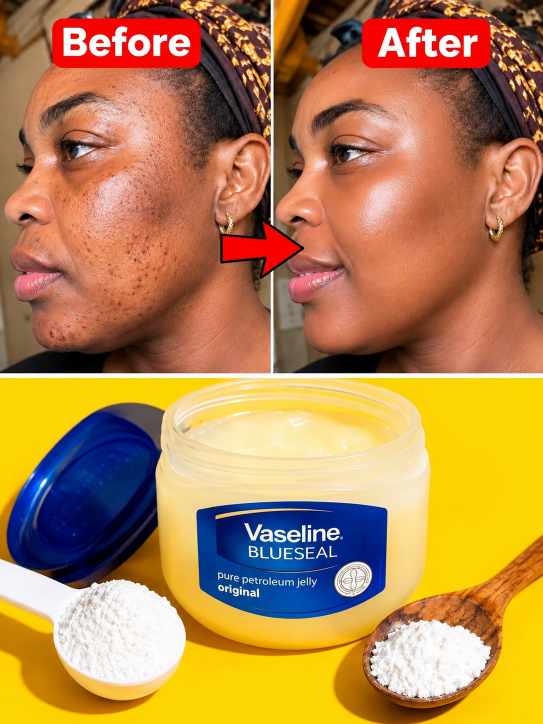
While petroleum jelly will not remove skin tags, the growth you are noticing might be a different type of skin condition altogether. Attempting to remove skin growths at home can lead to infection, bleeding, scarring, or other complications. For this reason, professional assessment by a dermatologist is strongly recommended.
1. Understanding Different Types of Skin Growths
Not every small bump on the skin is a skin tag. Several harmless skin conditions can look similar, making it important to identify the growth correctly before considering treatment.
Acrochordon (True Skin Tag): These are small, soft, flesh-colored or brown growths that are sometimes attached to the skin by a thin stalk. They commonly appear in areas where skin rubs against skin or clothing, such as the neck, underarms, and groin.
Dermatosis Papulosa Nigra (DPN): These are small, dark brown or black bumps that can resemble skin tags or warts. They commonly appear on the face and cheeks, particularly in individuals with darker skin tones.
Seborrheic Keratosis: These are non-cancerous skin growths that may have a waxy, scaly, or paste-like appearance. They are often brown or dark in color and can look as though they are stuck onto the skin.
Because these conditions can look alike, a dermatologist can help determine exactly what type of growth is present and whether treatment is necessary.
Knowing what type of skin growth you have is only the first step. Discover the medical treatments dermatologists use to remove these growths safely.2. Dermatologist-Approved Medical Treatments
For people who want to have skin tags or other benign skin growths removed, a qualified healthcare professional can recommend an appropriate in-office procedure.
Cryotherapy: This procedure involves freezing the growth using a controlled application of liquid nitrogen. The treated tissue eventually dries up and falls away.
Surgical Excision: A dermatologist removes the growth using sterile medical instruments, such as surgical scissors or a scalpel. Local anesthesia may be used to minimize discomfort.
Electrosurgery (Cauterization): This technique uses controlled electrical energy to remove the growth and seal small blood vessels.
The most suitable treatment depends on the type, size, and location of the growth, as well as the individual's skin and medical history.
These procedures should only be performed by appropriately trained healthcare professionals. Avoid cutting, burning, tying off, or applying harsh chemicals to skin growths at home.
Professional removal is important, but proper aftercare also plays a role in keeping the treated area clean and supporting healthy skin recovery.3. Proper Post-Treatment Care Using Petroleum Jelly
Although petroleum jelly cannot eliminate skin tags, it can be useful after a dermatologist has professionally removed a skin growth. It helps maintain a moist environment that supports wound healing.
Follow these general aftercare steps unless your healthcare provider gives you different instructions:
Clean the Treated Area: Gently clean the area with mild soap and water as recommended by your dermatologist. Avoid scrubbing or irritating the treated skin.
Apply Petroleum Jelly: A thin layer of pure petroleum jelly can help keep the wound moist and support the healing process. Moist wound care may also help reduce excessive scab formation.
Cover the Area: Use a clean, non-stick bandage if recommended. Change the dressing as instructed and keep the area protected while it heals.
Monitor the Healing Process: Contact your healthcare provider if you notice increasing redness, swelling, warmth, worsening pain, pus, or other signs of infection.
Medical Disclaimer
This article is intended for educational purposes only and should not replace professional medical advice, diagnosis, or treatment. Petroleum jelly does not remove skin tags or other skin growths. Always consult a qualified dermatologist before attempting to treat or remove any unusual skin growth, particularly if it changes in size, shape, or color, bleeds, or causes discomfort.