Can You Eat Eggs with White Spots?
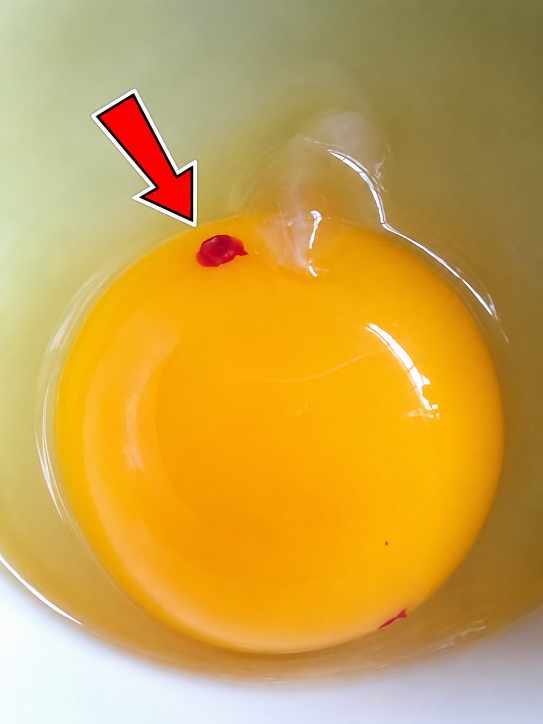
You crack an egg over a bowl and, surprise: a whitish filament, a small spot, a milky film, or sometimes even a red dot. The reaction is often the same: you hesitate, wonder whether the egg is still good, and sometimes throw it away as a precaution. Yet, in the vast majority of cases, these small “anomalies” are perfectly normal and harmless.
In this article, we'll clarify what those white spots mean, when you can safely eat the egg, and what the real warning signs are.
Yes, in the vast majority of cases, you can eat an egg that has white spots or streaks. These are usually natural parts of the egg, such as the chalazae, the germinal disc, or cloudy egg white. They are often signs of freshness rather than defects.
Only certain warning signs, such as an unpleasant odor, a cracked shell, or mold, indicate that you should throw the egg away.
The White Spots Inside the Egg
The Chalazae: The White Filaments Around the Yolk
This is the most common type of “white spot,” and it's what you see in many photos: a whitish, twisted cord attached to the yolk. These structures are called chalazae.
These two small cords have an important role: they keep the yolk positioned in the center of the egg and help prevent it from hitting the shell when the egg is moved or bumped.
Are Chalazae Dangerous?
No. Chalazae are completely harmless. They are made of protein, just like the rest of the egg white.
Can you eat them? Yes. They do not change the taste or texture of a dish.
Why are they sometimes more visible? The fresher an egg is, the thicker and more noticeable its chalazae tend to be. Their presence is therefore often a good sign.
If their appearance bothers you, for example in custard or a very smooth batter, simply remove them with the tip of a knife or strain the mixture.
The Germinal Disc: The Small Light Spot on the Yolk
You may have noticed a small, round, white spot on the surface of the yolk, usually one or two millimeters in diameter and sometimes surrounded by a lighter ring.
This is called the germinal disc.
What is it? It is the area where an embryo would begin developing in a fertilized egg.
Most commercially sold table eggs are unfertilized because the hens are generally raised without roosters. Therefore, this small spot is perfectly normal.
Is it edible? Yes. The germinal disc is harmless and does not need to be removed.
Cloudy or Milky Egg White
An egg white that looks cloudy or slightly opaque can be surprising. However, this appearance is generally associated with a very fresh egg.
When an egg has just been laid, it still contains carbon dioxide, which gives the egg white its cloudy appearance. Over time, this gas escapes through the porous shell, and the egg white gradually becomes more transparent.
An egg with cloudy egg white is generally fine to eat if it has been properly stored and shows no other signs of spoilage.
It can also hold its shape better during cooking, making it particularly suitable for preparing poached eggs.
Small White Specks in the Egg White
You may also notice tiny whitish flakes or grains in the egg white. These are generally small concentrations of protein or other naturally occurring material.
In most cases, these small specks are harmless and do not indicate that the egg has gone bad.
What About the Red Spot on the Yolk?
You may occasionally notice a small red spot on the yellow yolk. This is usually a blood spot, and it is not necessarily a reason to throw the egg away.
Why does it appear? It can form when a tiny blood vessel ruptures during egg formation, either in the hen's ovary or oviduct.
How common is it? Blood spots are relatively uncommon. Egg producers use a process called candling, which involves inspecting eggs with light to identify certain internal irregularities. However, some spots may go undetected.
Is it dangerous? A small blood spot does not automatically indicate an infection or that the egg is fertilized.
Can the egg be eaten? Yes, provided the egg has been properly stored and shows no other signs of spoilage. You can remove the spot with the tip of a knife if its appearance bothers you, but it is not necessary.
Brown eggs may sometimes have slightly more visible blood spots because their darker shells can make certain inspection methods less effective. This does not mean that brown eggs are lower in quality.
Not all white spots are found inside the egg. Sometimes, the shell itself reveals something worth checking.White Spots on the Eggshell
Sometimes, white spots appear on the outside of an eggshell. Here, two different situations need to be distinguished.
Calcium Deposits on the Shell
Small white, rough, or chalky areas on the shell are usually calcium deposits.
The eggshell is primarily made of calcium carbonate. During shell formation, the hen may deposit slightly more calcium in certain areas, creating small white patches.
These deposits are generally harmless. You can wipe the shell with a clean cloth before cracking the egg. Avoid washing eggs long before use because washing can remove the shell's natural protective coating.
Mold: A Real Warning Sign
A white, fuzzy spot that looks like cotton, or green, black, or pinkish spots on the shell, could indicate mold.
Mold can develop in humid conditions, particularly when eggs are stored improperly.
In this situation, discard the egg. Mold can grow on the shell and potentially penetrate its pores, creating a risk of contamination.
How can you tell the difference?
- Calcium deposits: Usually hard, matte, and rough. They do not move when rubbed.
- Mold: Often fuzzy, damp, or powdery, and sometimes accompanied by a musty smell.
Signs That Should Alert You
An egg with a white spot is not necessarily bad. However, certain warning signs mean you should discard it.
An Unpleasant Odor
A sulfurous, rancid, or rotten-egg smell immediately after cracking an egg is a clear warning sign. Do not taste it to check whether it is safe.
An Abnormal Color
Egg white or yolk with unusual pinkish, greenish, grayish, or iridescent discoloration may indicate spoilage or contamination. Discard the egg.
An Unusual Texture
An egg with an unusual appearance or texture, such as egg white that is unexpectedly watery or a yolk that breaks apart unusually easily, deserves closer attention. However, texture alone cannot reliably determine whether an egg is safe.
A Cracked or Broken Shell
Bacteria can enter an egg through a damaged shell. If an egg is cracked, leaking, or has been stored improperly, it is safest to discard it.
A Sticky or Slimy Shell
A sticky or slimy eggshell can indicate surface deterioration or contamination. It is best to discard the egg rather than take a risk.
Black or Green Spots Inside
Unusual black or green spots inside an egg may indicate microbial contamination. Do not consume it.
When an egg's appearance leaves you uncertain, there is a simple test that can help you estimate how old it is.The Egg Freshness Test
If you are unsure how old an egg is, a simple water test can help you estimate its age before cracking it.
How to Perform the Test
- Fill a large glass or bowl with cold water.
- Gently lower the egg into the water.
- Observe how the egg behaves.
What the Results Mean
- If it sinks to the bottom and lies flat: The egg is generally very fresh.
- If it sinks but rises slightly: The egg is older but may still be suitable for consumption.
- If it stands upright at the bottom: The egg is older. Check its storage history and condition carefully, and cook it thoroughly if it is otherwise suitable.
- If it floats: Air has accumulated inside the egg, suggesting that it is old. Discard it as a precaution.
Important: The water test estimates the age of an egg, not whether it is safe to eat. A floating egg is not automatically contaminated, and an egg that sinks is not guaranteed to be safe.
Proper storage, the expiration date, and the egg's condition are more important when assessing food safety.
Precautions to Know Before Consuming Eggs
Regardless of how an egg looks, certain hygiene rules should always be followed.
Keep Eggs Properly Refrigerated
Store eggs in the refrigerator, preferably in their original carton, and keep them away from foods with strong odors.
Respect the Expiration Date
Follow the date indicated on the packaging and the manufacturer's storage instructions. Avoid consuming eggs that have been stored improperly or for an excessively long time.
Wash Your Hands
Wash your hands thoroughly after handling raw eggs and before touching other foods, kitchen utensils, or surfaces.
Cook Eggs Thoroughly for Vulnerable Individuals
Young children, pregnant women, older adults, and people with weakened immune systems should avoid raw or undercooked eggs because of the risk of Salmonella infection.
This includes foods such as homemade mayonnaise, chocolate mousse, and tiramisu when prepared with raw eggs. Use pasteurized eggs or thoroughly cooked alternatives when appropriate.
Do Not Wash Eggs Too Early
The eggshell has a thin natural protective coating. Washing eggs well before use can damage this barrier and make it easier for bacteria to enter.
If cleaning is necessary, follow appropriate food-safety practices and wash the egg immediately before use.
It is also important to remember that Salmonella cannot be identified by looking at an egg. A perfectly normal-looking egg can contain bacteria, while an egg with visible chalazae may be completely safe.
Thorough cooking and proper handling are important ways to reduce the risk of foodborne illness.
Frequently Asked Questions
Do Chalazae Indicate That an Egg Is Fertilized?
No. All eggs naturally contain chalazae, whether they are fertilized or not.
Should You Remove the White Filaments Before Cooking?
No. It is not necessary. You can remove them for aesthetic or texture reasons, but they are completely edible.
Is an Egg with a Blood Spot Less Good?
No. A small blood spot does not necessarily affect the egg's nutritional value or taste. You can remove it if you wish.
Is an Egg with a Very Pale or Very Dark Yolk Good?
Yes. The color of the yolk mainly depends on the hen's diet, particularly the pigments in its feed. Yolk color alone does not determine the freshness or safety of an egg.
How Long Can an Egg Be Stored?
Storage time depends on how the egg was handled and stored. Follow the use-by date and refrigeration instructions on the packaging rather than relying on a general number of days.
Now that you know what those mysterious spots mean, the most important thing is knowing which signs are harmless and which ones should never be ignored.Conclusion: Don't Panic If You See a White Spot in Your Egg
In most cases, a white spot inside an egg is completely normal. It may be a natural structure such as the chalazae or germinal disc, and cloudy egg white can even indicate freshness.
The small red spot sometimes found on the yolk is also generally harmless.
What really matters is the egg's storage history, smell, color, texture, and the condition of its shell. If you notice suspicious signs, discard the egg. Otherwise, natural white filaments or small spots are usually nothing to worry about.
Have you ever discovered surprising spots inside an egg? Tell us about your experience in the comments, and share this article with anyone who still hesitates when they see something unusual in an egg.
Enjoy!