Does Sleeping on Your Right Side Affect Your Health?
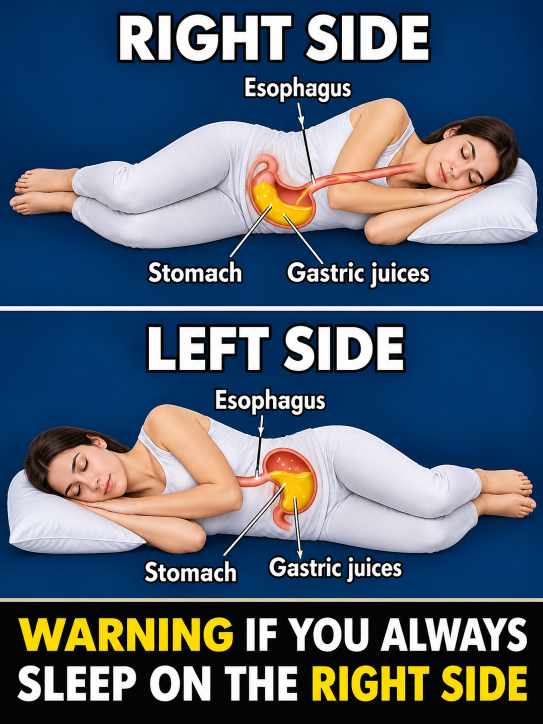
Sleeping position can influence digestion, breathing, circulation, and overall comfort during the night. Although sleeping on your right side is comfortable for many people, it may worsen certain symptoms, particularly acid reflux, in some individuals.
For people who frequently experience heartburn or gastroesophageal reflux disease (GERD), sleeping position may make a noticeable difference in nighttime comfort and sleep quality.
How Sleeping on Your Right Side May Affect Acid Reflux
One of the main concerns associated with sleeping on the right side is its potential effect on acid reflux.
In certain individuals, this position may make it easier for stomach acid to move toward the esophagus. This can increase the likelihood of symptoms such as heartburn, chest discomfort, a sour taste in the mouth, or interrupted sleep.
For people who frequently experience acid reflux or gastroesophageal reflux disease (GERD), healthcare professionals often recommend trying a left-side sleeping position. Research indicates that sleeping on the left side may help keep stomach acid lower than the esophagus, potentially reducing irritation and nighttime reflux symptoms.
However, digestion is not the only aspect of health that may be influenced by your sleeping position. Your posture can also affect how comfortably you breathe throughout the night.
Breathing and Sleep Quality
Sleeping posture may also influence breathing patterns during the night. Some individuals experience increased snoring or disrupted breathing when sleeping on their backs.
Side sleeping is often recommended because it may help keep the airways more open and reduce airway obstruction.
People with sleep-disordered breathing, including obstructive sleep apnea, may benefit from discussing suitable sleeping positions with a healthcare professional.
Can Sleeping on the Same Side Cause Discomfort?
Although side sleeping has potential benefits, remaining in the same position every night for extended periods may sometimes contribute to discomfort.
Potential issues may include:
- Shoulder soreness
- Arm numbness or tingling
- Hip stiffness
- Neck discomfort
Doctors often recommend using supportive pillows and allowing natural movement during sleep rather than forcing a single position throughout the night.
The good news is that there is no single sleeping position that works perfectly for everyone. Understanding your body's needs can help you find the most comfortable position.
There Is No Perfect Sleeping Position for Everyone
Experts emphasize that there is no universally ideal sleeping position. Every person has unique health conditions, anatomy, and comfort preferences.
For some individuals, sleeping on the right side may cause no noticeable problems at all. Others may find that changing positions significantly improves symptoms such as reflux, snoring, or discomfort.
The most important factor is paying attention to how your body responds. Frequent heartburn, nighttime coughing, poor sleep quality, chest discomfort, or waking up tired may indicate that sleeping posture is affecting your rest more than expected.
In addition to sleep position, several simple habits may support better digestion and higher-quality sleep throughout the night.
Simple Habits That May Improve Sleep and Digestion
Several lifestyle strategies may help reduce nighttime discomfort and support healthier sleep patterns:
- Avoid large or heavy meals close to bedtime.
- Limit caffeine consumption in the evening.
- Elevate the head slightly using a supportive pillow or an appropriate wedge pillow if reflux is a concern.
- Maintain a healthy body weight.
- Manage stress through relaxation techniques and healthy routines.
Create a Better Sleep Environment
Experts often recommend creating an environment that promotes consistent, restful sleep. Helpful practices include:
- Keeping the bedroom cool and comfortable.
- Reducing exposure to screens before bedtime.
- Following a consistent sleep schedule.
- Minimizing noise and excessive light during the night.
These habits may contribute to deeper, more restorative sleep regardless of your preferred sleeping position.
Even with healthy sleep habits, certain symptoms may require more attention. Knowing when to seek medical advice is an important part of protecting your health.
When to Seek Medical Advice
Occasional discomfort may be influenced by sleeping position, but persistent symptoms should not be ignored.
Consider consulting a healthcare professional if you experience:
- Frequent heartburn or acid reflux.
- Chronic coughing during the night.
- Ongoing sleep disturbances.
- Excessive daytime fatigue.
- Persistent pain or numbness related to sleeping posture.
A healthcare provider can help identify underlying causes and recommend appropriate treatment options.
Final Thoughts
Sleeping posture alone does not determine overall health, but it can influence digestion, breathing, circulation, and comfort during the night. For some people, sleeping on the left side may help reduce reflux symptoms, while others may find different positions more comfortable.
The key is to pay attention to your body's signals and make adjustments when necessary. Combined with healthy lifestyle habits and a supportive sleep environment, small changes in sleeping position may contribute to better rest and improved overall well-being over time.