How Do You Remove Black Spots from Floor Grout?
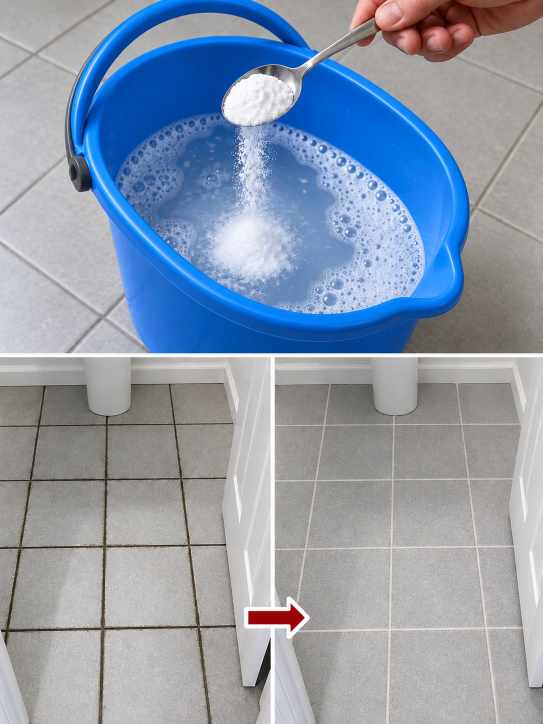
On the surface, cleaning the floor might seem like a tedious but straightforward job. However, when it comes to a deeper clean—including whitening the grout—the situation can be quite different.
Dirt, grease, and mold can accumulate in grout, causing it to turn black and unsightly, especially when the tiles are white or light-colored.
If keeping your floors clean is a priority, you’ll be pleased to know that there are several ways to clean and brighten grout using common household products. Below, we explore three popular methods and how to use them safely.
Baking Soda
When combined with water, baking soda creates a mildly abrasive paste that can help remove dirt and stains from many types of surfaces.
Follow these steps:
1. Pour a small amount of baking soda into a bowl and gradually add water, mixing until you have a creamy paste.
2. Apply the paste to the grout using an old toothbrush.
3. Let it sit for approximately five minutes.
4. Gently scrub between the grout lines with the toothbrush to loosen dirt.
5. Rinse thoroughly with clean water and wipe the floor dry.
For stubborn stains, repeat the process if necessary. Test the paste on a small, inconspicuous area first, particularly if your tiles or grout are delicate.
Hydrogen Peroxide
Hydrogen peroxide is commonly found in first-aid kits and may also help lighten certain stains on grout. Its suitability depends on the concentration, grout material, and surrounding tile surface.
Follow these steps:
1. Apply a small amount of 3% hydrogen peroxide to the stained grout, following the product label.
2. Allow it to sit briefly, according to the label instructions.
3. Gently scrub the grout with a soft toothbrush.
4. Rinse thoroughly with clean water and dry the area.
If you prefer to use baking soda as well, apply it separately as a paste and rinse it away before using another product. Always test a small area first and wear suitable gloves if recommended by the product label.
White Vinegar
White vinegar is often used for household cleaning and can help dissolve mineral deposits and certain types of dirt. However, it is acidic and may damage cement-based grout, natural stone, or some tile finishes if used improperly.
Before using vinegar, check whether it is suitable for your flooring. Avoid using it on marble, limestone, travertine, and other acid-sensitive natural stones.
If the manufacturer confirms that diluted vinegar is safe for your floor, follow these steps:
1. Dilute white vinegar with water according to the flooring manufacturer's recommendations.
2. Apply a small amount to the affected grout.
3. Gently scrub with a soft toothbrush.
4. Rinse thoroughly with clean water and dry the surface.
Avoid combining vinegar with baking soda in the expectation of creating a stronger cleaner. The two react with each other, reducing the acidity of the vinegar and producing carbon dioxide gas.
Important Cleaning and Safety Tips
Never mix hydrogen peroxide or vinegar with bleach or other cleaning products. Mixing household chemicals can release irritating or dangerous substances. Use one cleaning product at a time, follow its label instructions, and ventilate the room well.
If black spots return quickly, the grout may be affected by persistent moisture or mold. Check for leaks, improve ventilation, and allow the floor to dry completely after cleaning. If the grout is cracked, crumbling, or deeply stained, professional cleaning, grout repair, or replacement may be necessary.
With the right cleaning method for your flooring, regular maintenance can help keep grout looking cleaner and brighter without causing unnecessary damage.