Whiten Your Teeth and Reduce Plaque Buildup with Cloves and Bay Leaves
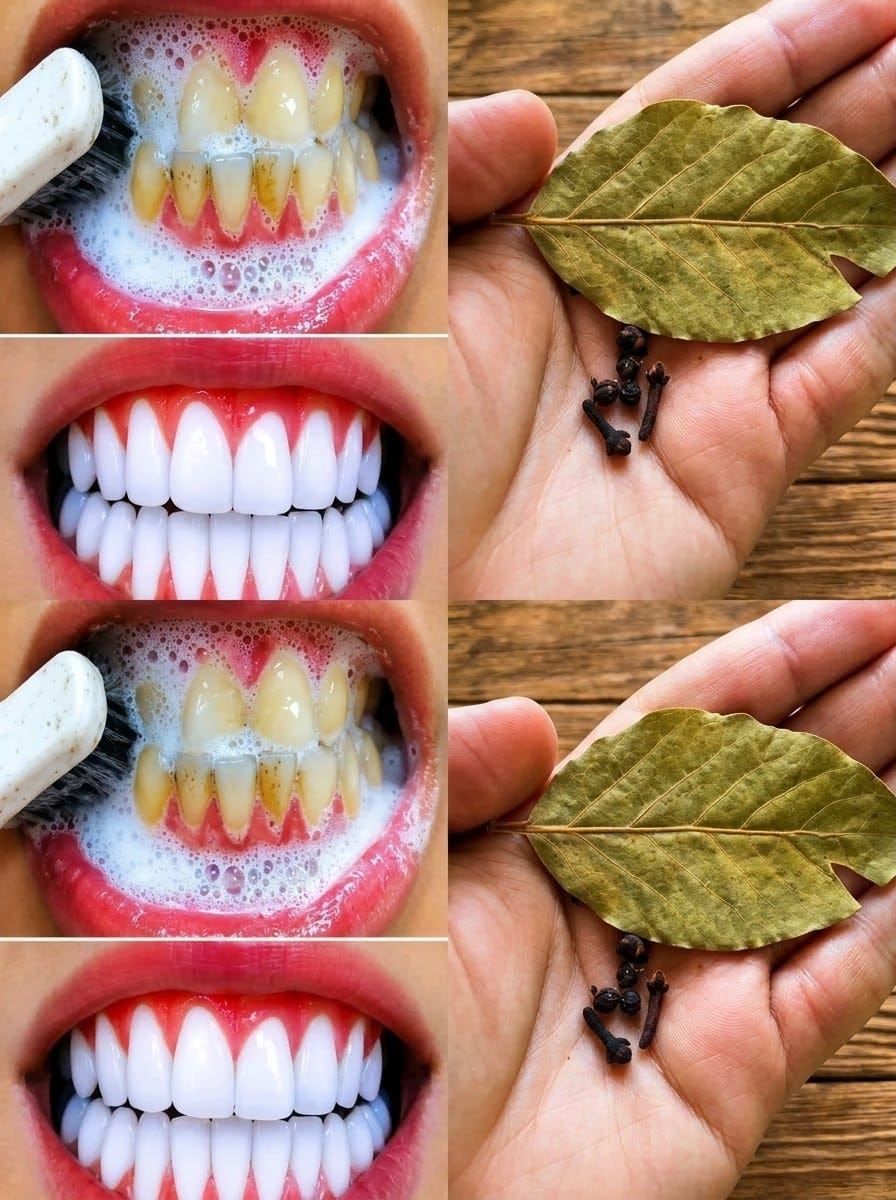
Cloves and bay leaves, well known for enhancing the flavor of our food, are also traditionally used in home oral-care routines. While they may provide a fresh sensation and contain compounds with antimicrobial properties, they should not be considered a replacement for proven dental-care practices.
Spices Traditionally Used for Oral Hygiene
Cloves are traditionally associated with toothache relief and contain eugenol, a naturally occurring compound with antiseptic and soothing properties. Cloves may also contribute to a fresher feeling in the mouth.
Bay leaves contain aromatic compounds and have traditionally been used in various cleansing preparations. However, there is limited evidence that bay leaves can remove tartar or polish tooth enamel.
Before trying this homemade mixture, it is important to understand how it can be prepared and used safely.How to Prepare a Clove and Bay Leaf Paste
Ingredients
1 teaspoon of ground cloves
1 teaspoon of crushed bay leaves
50 ml of water
Preparation Steps
In a small bowl, mix the ground cloves and crushed bay leaves.
Gradually add water until you obtain a smooth, pliable paste.
Apply a small amount of the mixture to your teeth using a soft toothbrush or your fingertips.
Leave it on briefly, then rinse your mouth thoroughly with clean water.
A short application may leave your mouth feeling fresh, but it should complement—not replace—your regular dental routine.A Simple Addition to Your Oral-Care Routine
This homemade preparation should not replace daily brushing with fluoride toothpaste, flossing, or regular dental checkups. Cloves and bay leaves may provide aromatic and antimicrobial properties, but there is not enough reliable evidence to conclude that this mixture removes established tartar or significantly whitens teeth.
For everyday oral hygiene, brushing twice a day with fluoride toothpaste and cleaning between the teeth are more established methods for controlling plaque and protecting teeth.
Precautions
Do not use the mixture aggressively or scrub your teeth with force, as abrasive ingredients may irritate the gums or contribute to enamel wear.
Stop using the mixture if you experience irritation, burning, swelling, or discomfort.
People with sensitive gums, dental problems, or ongoing dental treatment should consult a dentist before trying homemade oral-care preparations.
If you have visible tartar, professional dental cleaning is the appropriate way to remove hardened deposits.
For a healthier smile, the most important step is combining gentle daily care with professional dental advice when needed.A Simple and Economical Homemade Preparation
Cloves and bay leaves are inexpensive ingredients that can be found in many kitchens. Their traditional use in oral-care routines may provide a pleasant, fresh sensation, but natural ingredients are not automatically risk-free or proven alternatives to dental products.
If your smile looks dull or you are concerned about plaque or tartar, maintaining good oral hygiene and speaking with a dental professional can help you choose an approach that is both safe and effective.