How to Effectively Clean Ceramic Glass Cooktops Without Scratching Them
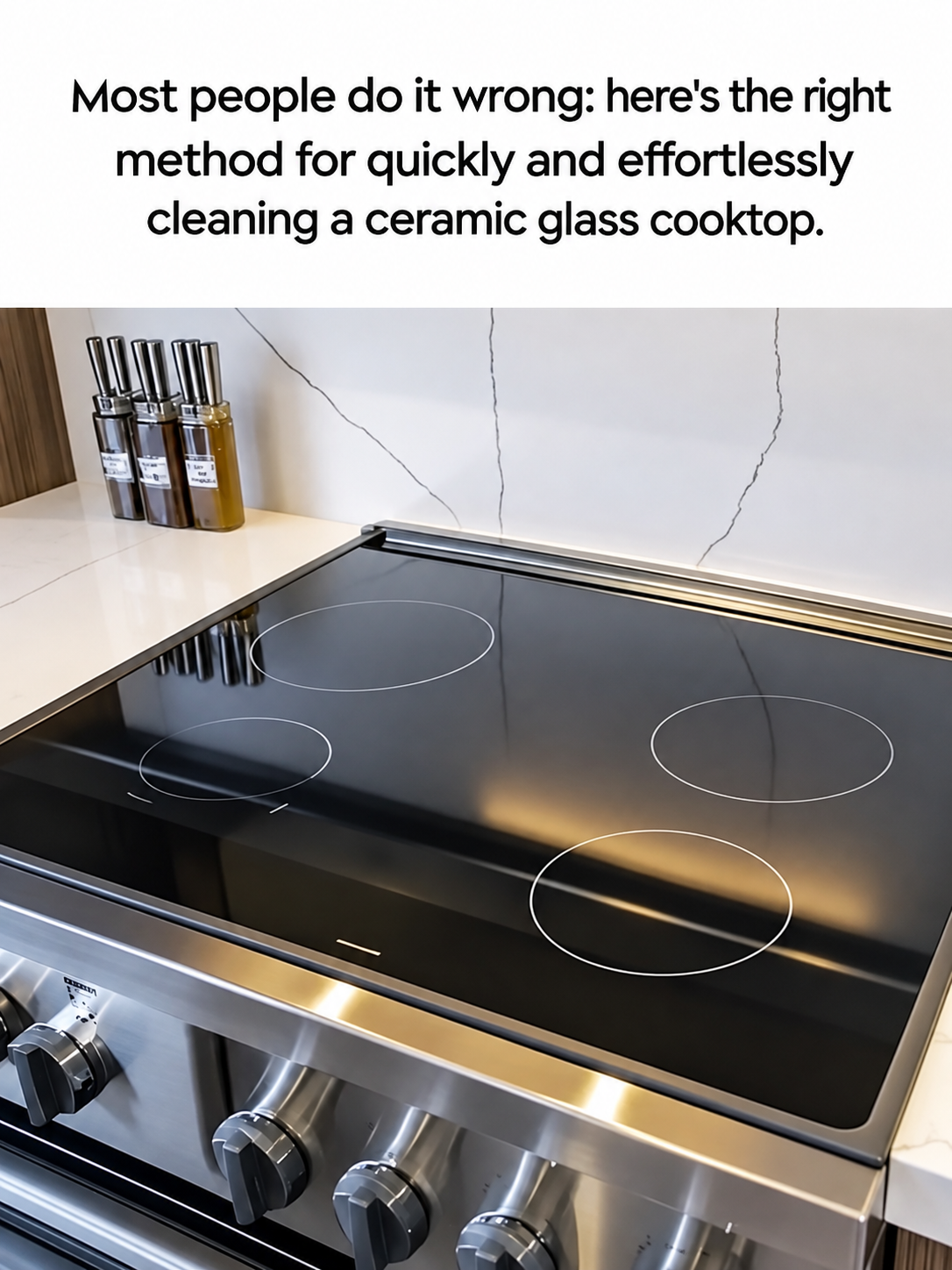
Ceramic cooktops bring a modern and elegant touch to the kitchen. Their smooth, glossy surface enhances the space but requires regular and careful maintenance. Between splashes, stubborn stains, and the risk of scratches, it is essential to adopt the right habits to preserve their shine without damaging them.
Here is a practical guide to keeping your cooktop clean, shiny, and free from scratches with simple everyday cleaning methods.
Mistakes to Absolutely Avoid
Before reaching for your cleaning products, a few precautions are essential. Some actions, even when well-intentioned, can permanently damage your cooktop.
Avoid abrasive sponges and scouring products. Ceramic glass surfaces can be scratched by rough cleaning materials. Avoid metal scourers, traditional scrapers, and abrasive powders that may leave marks or damage the finish.
Instead, opt for soft cloths, non-abrasive cleaning pads, and products specifically formulated for ceramic glass cooktops.
Never clean a hot cooktop. Cleaning a hot surface can cause burns, and certain cleaning products may leave additional marks when exposed to heat. Always wait until the cooktop has completely cooled before cleaning it.
Do not postpone cleaning. The longer spills and food residue remain on the surface, the harder they can become to remove. Light cleaning after each use helps prevent stubborn buildup and reduces the need for intensive scrubbing.
Daily Cleaning Routine for a Spotless Cooktop
A quick cleaning after each meal is often enough to maintain the shine and cleanliness of your ceramic glass cooktop.
Materials Needed
- A clean microfiber cloth
- White vinegar
- Water
- A spray bottle
Step-by-Step Instructions
1. Mix equal parts white vinegar and water in a spray bottle.
2. Make sure the cooktop has completely cooled before spraying the mixture onto the surface.
3. Wipe the surface with a clean microfiber cloth, using gentle circular movements.
4. If any residue remains, repeat the process or use a cleaner specifically designed for ceramic glass cooktops.
5. Finish by wiping the surface with a clean, dry microfiber cloth.
The result is a cleaner, shinier surface with fewer grease marks and streaks. For best results, test homemade cleaning solutions on a small area first and follow the cooktop manufacturer's recommendations.
When everyday cleaning is not enough, a few carefully chosen steps can help tackle more stubborn stains without resorting to harsh scrubbing.Deep Cleaning Stubborn Stains
When ordinary cleaning does not remove a stain, a more targeted approach may be necessary. Gentle cleaning methods can help loosen residue while reducing the risk of scratching the glass.
Materials Needed
- Baking soda
- Warm water
- A soft towel
- A non-abrasive cleaning pad
- A clean microfiber cloth
Step-by-Step Instructions
1. Sprinkle a small amount of baking soda over the stained area.
2. Dampen a soft towel with warm water and place it over the baking soda.
3. Leave the towel in place for approximately 15 minutes to help soften the residue.
4. Remove the towel and gently wipe the area with a non-abrasive pad. Avoid applying excessive pressure.
5. Wipe away any remaining baking soda with a clean, damp cloth.
6. Dry the surface thoroughly with a microfiber cloth.
This method may help loosen some food residue, although results can vary depending on the type of stain. Baking soda can be mildly abrasive, so avoid vigorous rubbing and follow the cooktop manufacturer's cleaning instructions. If the manufacturer advises against it, use a suitable ceramic glass cleaner instead.
How to Remove Burnt-On Residue
Stuck or burnt food residue sometimes requires a more specialized approach. A suitable cooktop scraper can help remove stubborn deposits when used correctly.
Materials Needed
- A scraper specifically designed for ceramic glass cooktops
- A ceramic glass cooktop cleaner
- A soft, damp cloth
- A clean microfiber cloth
Step-by-Step Instructions
1. Ensure the cooktop is completely cool.
2. Apply a small amount of ceramic glass cleaner to the affected area, following the product instructions.
3. Hold the cooktop scraper at the angle recommended by its manufacturer, often approximately 30 to 45 degrees.
4. Using gentle, controlled movements, carefully lift the burnt residue without pressing too hard or allowing the blade to dig into the surface.
5. Wipe away the loosened residue and cleaner with a damp cloth.
6. Dry the cooktop thoroughly with a clean microfiber cloth.
Important tip: Use only a scraper specifically approved for ceramic glass cooktops, with a clean, undamaged blade. Avoid improvised tools, excessive force, and movements that could scratch the surface.
Removing stains is only part of the process. A few simple habits can also help keep your cooktop looking its best and reduce the effort needed for future cleaning.Best Practices to Extend the Life of Your Cooktop
Consistent care can help preserve the appearance of your ceramic glass cooktop and reduce the risk of surface damage. Incorporate these habits into your kitchen routine:
- Use cookware with clean, smooth bottoms. Dirty or rough pan bases can leave marks and may scratch the glass when moved across the surface.
- Clean the cooktop after it cools. Removing spills promptly helps prevent residue from building up and becoming difficult to remove.
- Pay attention to sugar spills. Spilled sugar and sugary mixtures can damage certain ceramic glass surfaces if allowed to remain hot. Follow the manufacturer's instructions for safely removing these spills.
- Remove salt and food particles carefully. Loose particles trapped beneath cookware can scratch the surface when pans are moved. Wipe them away before placing or sliding cookware across the cooktop.
- Use a suitable protective cleaner. A ceramic glass cooktop cleaner can help maintain the finish. Use it as directed rather than relying on a fixed weekly schedule.
- Avoid unnecessary scrubbing. Gentle cleaning with appropriate materials is generally preferable to aggressive rubbing.
- Follow the manufacturer's recommendations. Different cooktop models may have specific cleaning requirements, especially for burnt-on spills and protective products.
A Sparkling Kitchen Every Time
Maintaining a ceramic glass cooktop does not have to be difficult. With a little attention and a consistent cleaning routine, you can keep the surface looking clean and glossy while minimizing the risk of scratches and stubborn residue.
By using soft cloths, suitable cleaning products, and careful techniques, you can make everyday maintenance easier and help preserve the appearance of your cooktop for years to come.
In Summary
Gentle cleaning, appropriate products, and a regular routine are the keys to keeping your ceramic glass cooktop looking its best. Clean the surface only when it has cooled, avoid abrasive materials, address spills promptly, and use specialized tools for stubborn burnt-on residue.
With these simple habits, your cooktop can remain a clean, attractive, and practical centerpiece of your modern kitchen, day after day.