How to Make Your Jewelry Shine Again: A Simple Cleaning Method
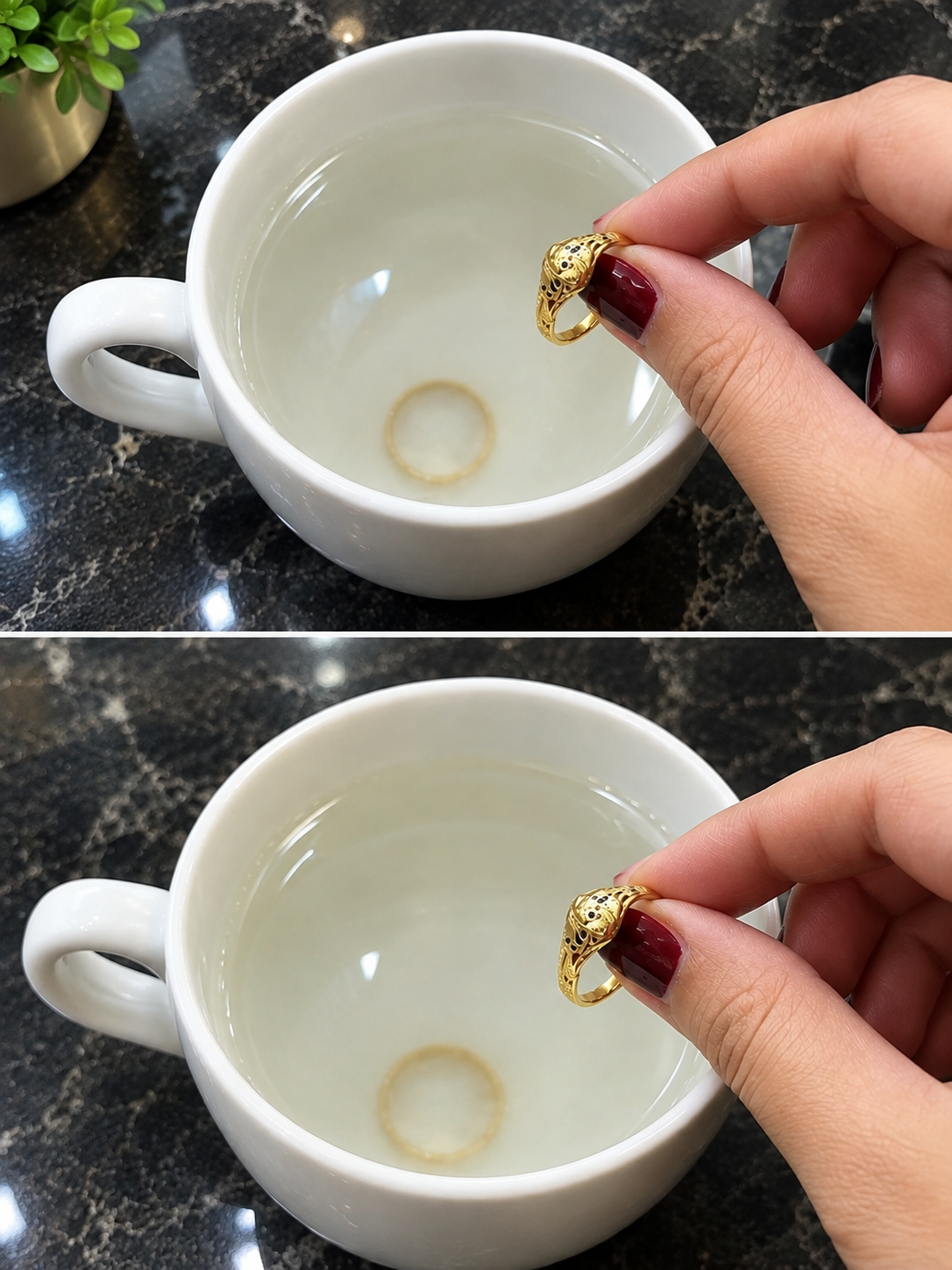
Whether it’s tarnished silver, dull gold jewelry, or clouded gemstones, all jewelry can lose some of its original luster over time. Luckily, you don’t always need to visit a jeweler to improve its appearance. A simple at-home cleaning method can help remove everyday dirt, skin oils, and residue from many types of jewelry.
Here’s a practical guide to the gentle “dish soap bath,” a useful cleaning method for suitable gold, silver, and diamond jewelry.
The Gentle Dish Soap Bath (For Gold, Silver & Diamonds)
This method is generally suitable for many durable pieces of jewelry because it avoids harsh chemicals and abrasive household products. Toothpaste, for example, can scratch certain metals and finishes.
What You Need
- A small bowl of lukewarm water
- A few drops of mild dish soap without harsh fragrances or conditioning agents
- An extra-soft toothbrush, ideally a baby toothbrush
- A lint-free microfiber cloth
Step-by-Step Instructions
1. Soak
Add a few drops of dish soap to the lukewarm water and stir briefly. If the jewelry is suitable for water cleaning, place it in the solution for about 10 to 15 minutes. This can help loosen dirt, skin oils, and cream residue.
2. Gently Brush
Remove the jewelry and gently brush it with the soft toothbrush. Pay particular attention to crevices, settings, and the backs of stones. Avoid brushing delicate gemstones, fragile settings, or pieces with loose stones.
3. Rinse
Rinse the jewelry thoroughly with lukewarm water to remove any remaining soap. Before rinsing, close the sink drain or use a fine strainer to prevent the jewelry from slipping away.
4. Dry and Polish
Pat the jewelry dry with the microfiber cloth, then gently polish it to restore its shine. Make sure the piece is completely dry before storing it.
A Special Tip for Heavily Tarnished Silver
If your silver jewelry has turned dark or black through exposure to air and other substances, dish soap alone may not remove the tarnish. A method involving aluminum foil, salt, and hot water is sometimes used to reduce tarnish on suitable silver items, but it is not appropriate for every piece of jewelry.
If you are certain the item is solid silver and has no delicate gemstones, glued components, or special finishes, consider the following method only after checking that it is suitable for the piece:
- Line a small, heat-resistant bowl with aluminum foil, with the shiny side facing up.
- Add 1–2 tablespoons of salt.
- Place the silver jewelry in the bowl so that it is in direct contact with the foil.
- Carefully pour hot, but not boiling, water into the bowl until the jewelry is covered.
- Leave it for a few minutes while observing the result.
- Remove the jewelry carefully, rinse it thoroughly with clean water, and dry it completely.
This process can help reduce certain types of silver tarnish through a chemical reaction. Results vary depending on the silver, the type of tarnish, and any treatments or finishes on the item.
For valuable, antique, plated, or intricately designed jewelry, professional cleaning is generally the safer option. Avoid this method on pieces containing gemstones or materials that may be damaged by heat, salt, or chemical reactions.
Caution: What You Shouldn’t Clean This Way
Not every piece of jewelry can tolerate water, heat, or household cleaning solutions. Some materials are porous, fragile, or attached with adhesives that may weaken during cleaning.
Pearls and Mother-of-Pearl
Pearls and mother-of-pearl are delicate organic materials that can be damaged by harsh chemicals, prolonged soaking, or abrasive brushing. Never soak or scrub them. Instead, gently wipe them with a soft cloth that is only slightly damp, then dry them immediately.
Jewelry with Glued Stones
Some costume jewelry contains stones secured with adhesive rather than traditional settings. Soaking, hot water, and cleaning solutions may weaken the glue and cause the stones to loosen or fall out. Clean these pieces with a soft, dry cloth instead.
Soft or Sensitive Gemstones
Gemstones such as opal and turquoise can be sensitive to chemicals, heat, or changes in temperature. Some emeralds also have treatments or natural characteristics that make them vulnerable to certain cleaning methods. For these stones, a soft cloth is often the best starting point, but the appropriate method depends on the specific gemstone and any treatments it has received.
If you are unsure whether a gemstone can safely be soaked or brushed, consult a qualified jeweler before cleaning it at home.
Keep Your Jewelry Looking Its Best
Regular, gentle cleaning can help many pieces of jewelry maintain their appearance. Use mild products, avoid abrasive materials, and always consider the metal, gemstone, setting, and any special finishes before choosing a cleaning method.
When in doubt, a soft cloth and advice from a professional jeweler are safer than experimenting with household cleaning solutions.