Cloth Diapers and Diaper Pins: A Parenting Essential That Shaped Generations
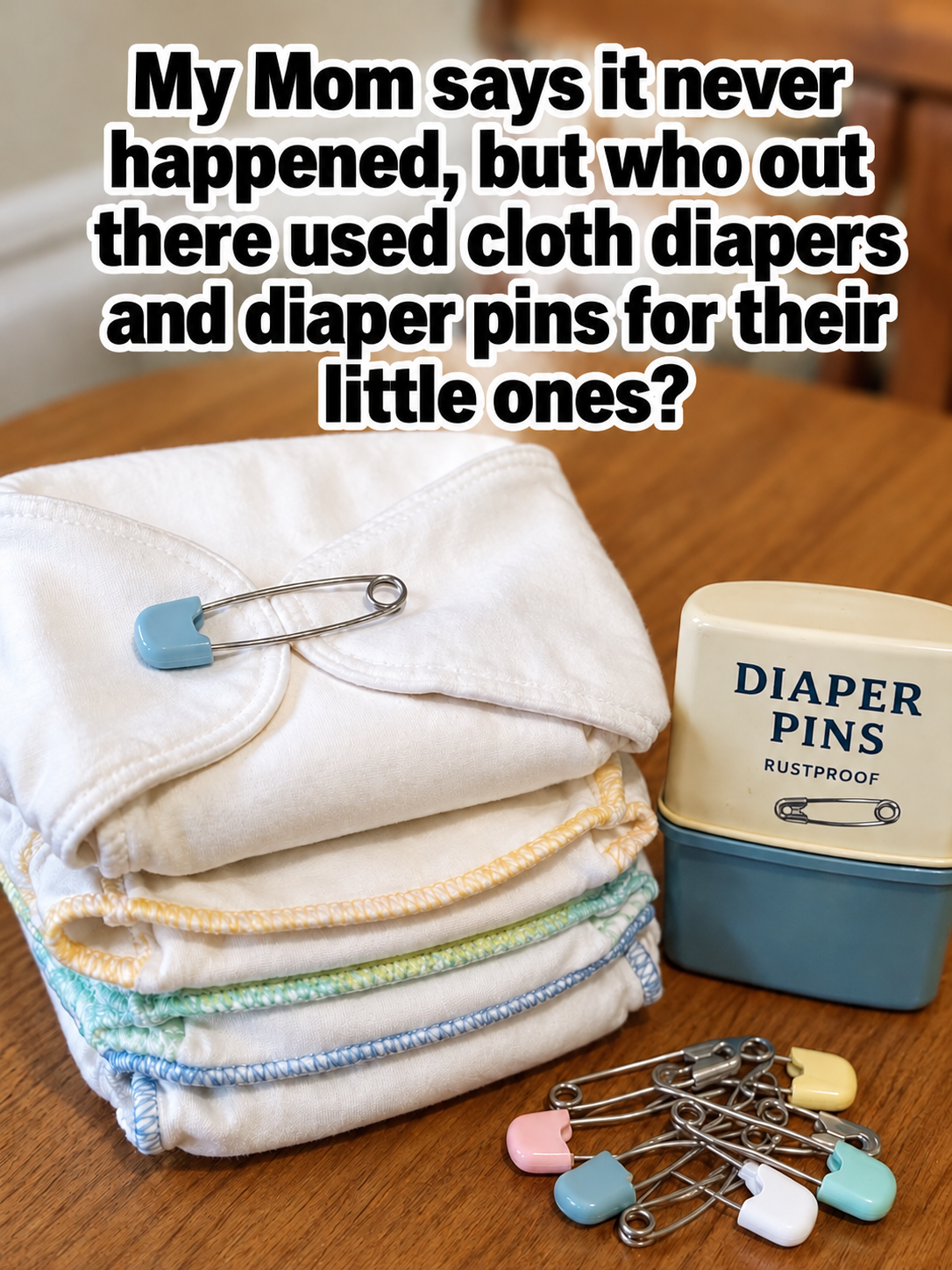
Before disposable diapers became a household staple, millions of parents relied on cloth diapers secured with diaper pins to keep their babies clean and comfortable. While today’s parents have access to convenient disposable diapers and modern reusable diapers with snaps or hook-and-loop fasteners, cloth diapers remain a nostalgic symbol of family life for many.
Cloth Diapers: A Familiar Part of Family Life
If you grew up seeing stacks of white cloth diapers and a tin of safety pins on the changing table, you’re not alone. For decades, this simple system was the standard way to care for babies around the world.
What Were Cloth Diapers?
Cloth diapers were reusable squares or prefold pieces of soft cotton fabric that were folded around a baby’s bottom and secured with large safety-style diaper pins. Parents washed, dried, and reused them repeatedly, making them a practical and economical choice.
Unlike today’s disposable diapers, cloth diapers required a little more time and effort, but they were built to last and often served multiple children in the same family.
Why Parents Chose Cloth Diapers
1. They Were Affordable
One set of cloth diapers could last for years. Families simply washed and reused them, potentially saving money compared with buying disposable diapers every week.
2. They Were Reusable
Instead of throwing diapers away after each use, parents washed them, dried them on clotheslines or in dryers, folded them neatly, and stored them until needed again.
3. They Produced Less Waste
Because they were reused hundreds of times, cloth diapers could reduce the amount of household waste generated compared with disposable diapers. Their overall environmental impact, however, also depended on factors such as washing methods, energy use, and how long they were reused.
4. They Were Soft and Breathable
Most traditional cloth diapers were made from natural cotton, which many parents appreciated for its softness against a baby’s skin. As with any diaper, regular changes and proper cleaning were important for maintaining skin comfort.
How Cloth Diapers Were Used
Step 1: Fold the Diaper
The clean cotton diaper was folded into the desired shape depending on the baby’s age and size.
Step 2: Place the Baby on the Diaper
The baby was laid on the unfolded diaper, and the front section was pulled up between the legs.
Step 3: Secure with Diaper Pins
Large rust-resistant safety pins were carefully inserted through the fabric on each side to keep the diaper snugly in place. Parents took care to keep their fingers between the pin and the baby’s skin while fastening it.
Step 4: Add Waterproof Covers
Many families placed waterproof plastic or vinyl pants over the cloth diaper to help prevent leaks.
Step 5: Wash and Reuse
After use, the diapers were rinsed when necessary, washed thoroughly with detergent, dried, folded, and reused.
Traditional diaper pins required careful handling, and modern alternatives have made reusable diapering easier for many families.
Did Parents Really Use Diaper Pins?
Absolutely. Diaper pins were specially designed with locking safety caps to help prevent them from opening accidentally. They looked similar to oversized safety pins but were made specifically for securing thick layers of cloth.
Experienced parents often became remarkably quick at fastening them. However, care was essential to avoid accidental pricks or injuries to the baby.
Challenges Parents Faced
Using cloth diapers wasn’t always easy. Some common challenges included:
- Frequent washing and drying
- Occasional leaks if the diaper wasn’t folded properly
- Extra laundry every day
- Taking care when fastening diaper pins
- Traveling with soiled diapers before washing them
Despite these inconveniences, many families considered them a normal part of daily life.
The Rise of Disposable Diapers
During the second half of the 20th century, disposable diapers became increasingly popular because they offered several practical advantages:
- Greater convenience
- Improved absorbency
- Less laundry
- Easier travel
- Faster diaper changes
As technology improved and disposable diapers became more widely available, they gradually became the most common choice for many families.
Why Cloth Diapers Are Still Popular Today
Modern cloth diapers have evolved dramatically. While traditional versions relied on folded fabric and safety pins, many reusable options now feature designs that are easier to put on and adjust.
Today’s reusable diapers often include:
- Adjustable snap closures
- Hook-and-loop fasteners
- Waterproof outer layers
- Highly absorbent inserts
- Stylish colors and patterns
Many parents choose them to reduce waste, potentially lower long-term costs, or simply because they prefer reusable products.
Caring for Cloth Diapers
For families using reusable cloth diapers today, proper cleaning and storage are essential. General care steps include:
- Remove solid waste before washing, following the manufacturer's instructions.
- Rinse the diaper if needed.
- Wash with a suitable detergent according to the care instructions.
- Avoid excessive fabric softener, which can reduce absorbency.
- Dry completely before storing.
- Store in a clean, dry place until the next use.
Always follow the care instructions provided by the diaper manufacturer. Proper washing, thorough drying, and frequent diaper changes help maintain cleanliness and comfort.
Beyond their nostalgic appeal, cloth diapers remain a useful option for modern families. Here are some common questions about their safety, care, and everyday use.
Frequently Asked Questions
Were Diaper Pins Safe?
Diaper pins were designed with protective locking caps, but they still required careful handling. Caregivers needed to ensure that the pins were securely fastened and that sharp points stayed away from the baby's skin. Modern reusable diapers with snaps or hook-and-loop fasteners offer an alternative to traditional pins.
Did Babies Get Diaper Rash?
Diaper rash can occur with both cloth and disposable diapers, particularly when moisture and irritants remain against the skin for too long. Frequent diaper changes, gentle cleaning, and keeping the skin as clean and dry as possible can help reduce the risk. Persistent or severe irritation may require advice from a healthcare professional.
Are Cloth Diapers Still Sold Today?
Yes. Many companies sell modern reusable cloth diapers with snaps or hook-and-loop closures instead of traditional diaper pins. They are available in different sizes, materials, and designs to suit a variety of family needs.
Which Is Better: Cloth or Disposable?
Both have advantages. Disposable diapers are convenient and highly absorbent, while cloth diapers can be reused many times and may reduce waste. The best choice depends on a family’s lifestyle, budget, access to laundry facilities, and personal preferences.
Final Thoughts
For many parents and grandparents, cloth diapers and diaper pins bring back memories of a time when baby care required a little more patience, planning, and laundry. While modern diapers have made everyday life more convenient, reusable cloth diapers remain a practical option for many families today.
Whether remembered with nostalgia or chosen for environmental and economic reasons, cloth diapers continue to hold a unique place in the history of parenting.