The True Benefits of Mixing Lemon and Activated Charcoal: What the Evidence Really Says
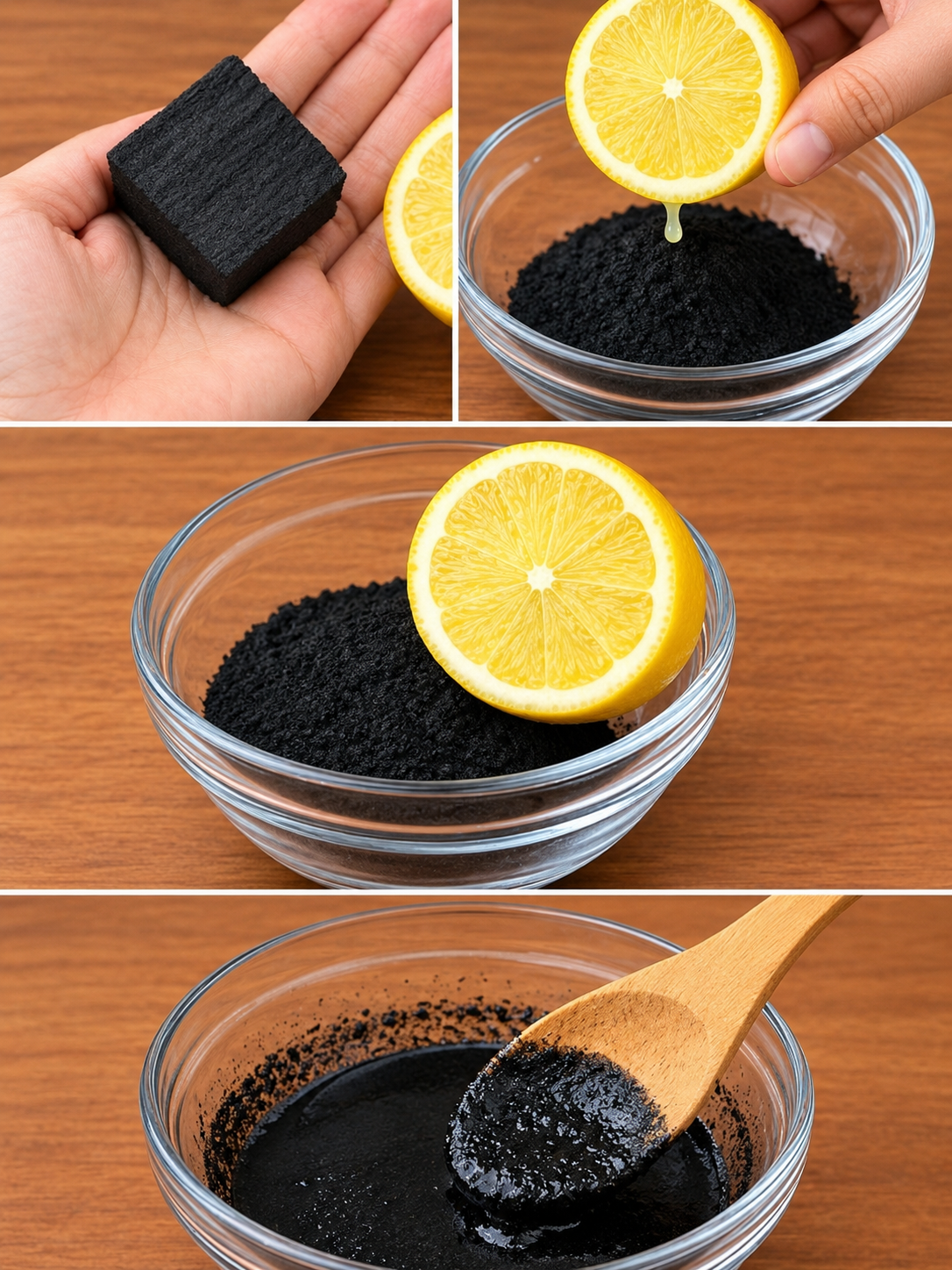
The combination of lemon juice and activated charcoal has become increasingly popular in wellness routines, homemade skin treatments, digestive drinks, and natural tooth-whitening recipes. Supporters often claim that the mixture can detoxify the body, improve digestion, brighten the skin, whiten teeth, strengthen immunity, increase energy, and cleanse the liver or kidneys.
Although lemon and activated charcoal each have genuine properties, many claims about combining them are exaggerated or unsupported. Activated charcoal is primarily a medical adsorbent used in carefully selected poisoning cases, while lemon is a nutritious citrus fruit that provides vitamin C, citric acid, water, and plant compounds.
Mixing them does not automatically create a powerful cleansing remedy. In fact, drinking activated charcoal unnecessarily may interfere with medications and nutrients, while applying lemon juice directly to the skin or teeth can cause irritation and damage.
Understanding what each ingredient can and cannot do is essential before using this mixture.
What Is Activated Charcoal?
Activated charcoal is a specially processed form of carbon. It is heated and treated to create a highly porous surface with many microscopic spaces. These pores allow certain chemicals and drugs to attach to the charcoal through a process called adsorption.
Adsorption is different from absorption. During absorption, a substance enters another material. During adsorption, molecules adhere to the surface of a material.
In emergency medicine, activated charcoal may sometimes be given after a potentially dangerous ingestion. It can bind certain substances in the digestive tract and reduce the amount that enters the bloodstream. However, it does not work against every poison, and it is not appropriate in every situation.
Medical activated charcoal is usually given under professional supervision because patients may require monitoring, airway protection, precise dosing, and additional treatment. Poison-control specialists do not recommend routinely keeping or administering activated charcoal at home to treat poisoning.
Activated charcoal should never be confused with ordinary barbecue charcoal, coal, burned wood, fireplace ash, or charcoal briquettes. Those products are not safe for consumption.
What Does Lemon Contribute?
Lemon juice contains vitamin C, citric acid, water, and small amounts of plant-based antioxidants. Adding lemon to water can make it more appealing, which may encourage some people to drink more fluids.
Vitamin C contributes to normal immune function, collagen formation, wound healing, and antioxidant protection. Citric acid may also help increase urinary citrate, which can be relevant to certain types of kidney stones when used as part of an appropriate medical plan.
However, lemon juice does not independently “flush toxins” from the body. The liver, kidneys, lungs, digestive system, and skin already work continuously to process and eliminate waste.
Lemon water can be a refreshing part of a balanced diet, but it should not be presented as a replacement for nutritious food, medical care, sleep, exercise, or adequate hydration.
Before exploring specific health claims, it’s important to understand whether combining these two ingredients actually creates any unique benefits.Does Mixing Lemon and Activated Charcoal Create Additional Benefits?
There is no strong clinical evidence showing that combining activated charcoal with lemon produces special health effects beyond the separate properties of the two ingredients.
Lemon does not make activated charcoal substantially more effective, and activated charcoal does not enhance the vitamin C in lemon. The charcoal may actually adsorb some compounds in the digestive tract, which is one reason unnecessary or frequent consumption is discouraged.
The mixture may look impressive because the charcoal turns the drink black, but its appearance should not be mistaken for proof of a detoxifying effect.
1. Digestion and Bloating
Activated charcoal is sometimes promoted as a remedy for gas, bloating, indigestion, and discomfort after a heavy meal. Some over-the-counter digestive products contain charcoal, and limited evidence suggests it may reduce intestinal gas in certain circumstances.
However, results are inconsistent, and activated charcoal is not a dependable treatment for recurring bloating. It does not correct common underlying causes such as constipation, lactose intolerance, food intolerances, irritable bowel syndrome, coeliac disease, reflux, overeating, or swallowing excess air.
Lemon juice may stimulate saliva and add flavor to water, but it is not proven to increase digestive enzymes in a way that meaningfully treats bloating.
A Safer Approach to Occasional Bloating
For mild, occasional discomfort, more useful measures may include:
Eating slowly and chewing food thoroughly
Reducing very large meals
Limiting carbonated drinks
Drinking sufficient water
Walking gently after eating
Identifying foods that repeatedly trigger symptoms
Treating constipation appropriately
Consulting a healthcare professional if bloating is persistent
Drinking activated charcoal after large meals is not recommended as a routine habit. It may cause black stools, nausea, constipation, vomiting, or diarrhea. More importantly, it may reduce the absorption of medications taken around the same time.
Persistent bloating, unexplained weight loss, vomiting, blood in the stool, severe pain, fever, or a lasting change in bowel habits should be medically assessed.
Many people associate charcoal drinks with “detoxing,” but the science behind that claim is often misunderstood.2. “Detoxification” Claims
Activated charcoal can bind certain substances while they are still inside the digestive tract. This medical action is sometimes incorrectly described as a general body detox.
Activated charcoal does not travel through the body collecting toxins from tissues, the liver, kidneys, blood, or skin. Once swallowed, it remains mainly within the gastrointestinal tract before being eliminated.
It also cannot reverse substances that have already been absorbed into the bloodstream. This is why the timing and type of poisoning matter when charcoal is used medically.
Lemon juice does not transform activated charcoal into a whole-body cleanser. Nor does the mixture remove unspecified toxins accumulated from ordinary food, stress, pollution, or fatigue.
The term “toxin” is often used vaguely in wellness advertising. A scientifically meaningful claim should identify the exact substance being removed, the amount removed, how it was measured, and whether the effect improved health.
Another popular use for lemon and charcoal appears in skincare, but effectiveness and safety are not always the same thing.3. Skin Cleansing and Oil Control
Activated charcoal is included in some commercial face masks, cleansers, and soaps. It may help absorb oil or remove material from the skin’s surface, but evidence that it deeply cleans pores or treats acne is limited.
A properly formulated charcoal skincare product may be tolerated by some people. Homemade mixtures, however, are more unpredictable.
Adding lemon juice creates additional risks. Lemon is acidic and may sting, irritate, dry, or inflame the skin. Citrus juice on the skin can also react with sunlight and cause a painful or blistering reaction known as phytophotodermatitis.
Why a Homemade Lemon-Charcoal Mask Can Be Problematic
The acidity of lemon juice varies, and homemade preparations do not have a controlled pH. Leaving the mixture on for 10 to 15 minutes may be especially irritating to sensitive, dry, acne-prone, recently shaved, or damaged skin.
Repeated use may weaken the skin barrier, causing redness, burning, peeling, increased sensitivity, or post-inflammatory dark marks.
Honey does not neutralize the acidity enough to guarantee that the mixture is safe.
Safer Alternatives for Oily or Congested Skin
Consider products specifically formulated for facial use, such as:
A gentle non-comedogenic cleanser
Salicylic acid for clogged pores
Niacinamide for oil control
A clay mask used according to its label
Adapalene for acne when medically appropriate
Sunscreen to prevent irritation-related pigmentation
People with persistent acne, painful cysts, scarring, eczema, rosacea, or unexplained rashes should seek advice from a dermatologist or another qualified healthcare professional.
The most widely shared charcoal-and-lemon trend may actually be one of the most concerning.4. Teeth Whitening and Oral Health
One of the riskiest recommendations associated with lemon and activated charcoal is using them together as toothpaste.
Activated charcoal is abrasive. It may temporarily remove some superficial stains by physically scrubbing the tooth surface, but abrasive whitening does not change the natural internal color of teeth.
Frequent use may gradually wear away enamel or expose the yellower dentin underneath.
Lemon juice creates a separate problem. Its acid can soften and erode enamel. Combining an acidic ingredient with an abrasive powder can expose softened enamel to additional mechanical wear.
Using this mixture only once a week does not make it automatically safe. Enamel does not grow back after it has been lost.
Rinsing afterward or brushing with fluoride toothpaste may not completely prevent damage. Brushing immediately after acid exposure can sometimes increase abrasion because the enamel surface may be temporarily softened.
Safer alternatives include:
Brushing twice daily with fluoride toothpaste
Choosing a whitening toothpaste evaluated for safety
Limiting tobacco and heavily staining drinks
Having professional dental cleaning when appropriate
Asking a dentist about evidence-based whitening treatments
Anyone experiencing tooth sensitivity, gum irritation, enamel erosion, cavities, or persistent discoloration should consult a dental professional rather than using lemon and charcoal.
Claims about boosted energy are also common, but fatigue is usually far more complex than wellness trends suggest.5. Energy Levels and Fatigue
Claims that activated charcoal can increase energy by removing fatigue-causing toxins are not supported by reliable evidence.
Fatigue can have many causes, including:
Insufficient sleep
Dehydration
Stress
Inadequate calorie intake
Iron, vitamin B12, or folate deficiency
Thyroid disorders
Infection
Diabetes
Medication effects
Depression or anxiety
Sleep apnea
Heart, kidney, or liver disease
Activated charcoal does not treat these causes. In theory, repeated consumption could make matters worse by interfering with medications or nutrient absorption.
Lemon water may feel refreshing, and hydration can help when tiredness is caused by mild dehydration. This benefit comes mainly from the water, not from a detoxifying interaction between lemon and charcoal.
Persistent, severe, or unexplained fatigue should be evaluated rather than repeatedly treated with homemade remedies.
Another frequently repeated belief involves pH balance and the idea that lemons can “alkalize” the body.6. The Body’s pH Balance
A common claim is that lemons become alkaline after digestion and therefore balance the body’s internal pH.
Food can influence the acidity of urine, but it does not significantly alter blood pH in a healthy person. Blood pH is maintained within a very narrow range by the lungs, kidneys, and chemical buffering systems.
A meaningful change in blood pH is a medical issue, not something corrected with lemon water or activated charcoal.
Describing lemon as “alkalizing” can therefore be misleading when it implies that it changes the pH of the entire body. The body does not require charcoal drinks to maintain an appropriate internal acid-base balance.
Supporting immunity is important, but not every popular remedy has evidence behind it.7. Immune-System Support
Lemon contributes vitamin C, and adequate vitamin C is important for normal immune function. Nevertheless, a squeeze of lemon juice is not a cure or reliable preventive treatment for infections.
Activated charcoal does not strengthen immune cells, prevent colds, eliminate viruses, or improve the body’s defenses.
Its ability to adsorb certain substances in the intestine should not be confused with immune support.
Taking charcoal when illness risk is high could also interfere with medication, including treatments taken for infection or chronic health conditions.
A more dependable immune-supporting routine includes adequate nutrition, regular sleep, physical activity, vaccination where appropriate, hand hygiene, stress management, and following medical advice.
The liver and kidneys already work around the clock, which raises an important question about so-called cleansing drinks.8. Liver and Kidney Health
The liver and kidneys already perform essential filtration, processing, and waste-removal functions. Activated charcoal does not normally cleanse either organ when consumed as a wellness drink.
Because activated charcoal stays mainly in the digestive tract, it cannot scrub or filter the liver and kidneys.
Lemon-flavored water may support hydration, and adequate hydration is important for normal kidney function. However, this does not mean lemon and charcoal repair kidney disease or cleanse the liver.
People with liver disease, kidney disease, fluid restrictions, electrolyte disorders, or recurrent kidney stones should not begin homemade remedies without professional guidance.
Symptoms such as yellowing of the skin, dark urine, very pale stools, swelling, reduced urination, blood in the urine, severe flank pain, persistent nausea, or confusion require medical attention.
One of the most important concerns is often overlooked: activated charcoal can affect how medications work.Important Medication Interactions
Medication interference is one of the most important reasons not to drink activated charcoal casually.
Because activated charcoal binds many substances in the digestive tract, it may reduce the absorption and effectiveness of oral medicines. Depending on the medicine, this could have serious consequences.
Potentially affected products may include:
Birth-control pills
Antibiotics
Antidepressants
Thyroid medication
Heart medication
Seizure medication
Diabetes medication
Pain relievers
Blood-pressure medication
Anticoagulants
Vitamins and supplements
Simply separating charcoal and medication by an arbitrary number of hours does not guarantee safety for every drug. The interaction depends on the medicine, formulation, timing, dose, and individual circumstances.
Anyone who takes prescription medication, over-the-counter medication, or important supplements should speak with a pharmacist or doctor before using activated charcoal.
Beyond drug interactions, activated charcoal itself carries risks that many people never hear about.Additional Risks of Activated Charcoal
Activated charcoal may cause:
Constipation
Black stools
Abdominal discomfort
Nausea
Vomiting
Diarrhea
Dehydration
Intestinal blockage in rare situations
Aspiration into the lungs if swallowed incorrectly or vomited
Aspiration can be particularly dangerous. The risk is one reason medical teams carefully evaluate a patient’s level of consciousness and ability to protect the airway before administering charcoal in poisoning cases.
It should not be given casually to young children, unconscious individuals, people who are vomiting, or anyone having difficulty swallowing.
Even in emergency medicine, activated charcoal is far from a universal solution.Activated Charcoal Does Not Work for Every Poison
Even in emergency medicine, activated charcoal is not universally effective. It binds some drugs and chemicals better than others.
It may not be useful for substances such as certain alcohols, corrosive acids or alkalis, metals, and other compounds that do not adsorb effectively.
In cases of suspected poisoning or overdose, do not make a lemon-charcoal drink or attempt to treat the person at home. Contact local emergency services or a poison-control service immediately and follow their instructions.
Do not induce vomiting unless specifically instructed by a qualified professional.