The Secret Ingredient for Tender Meat: Baking Soda (How to Tenderize Meat Like a Pro)
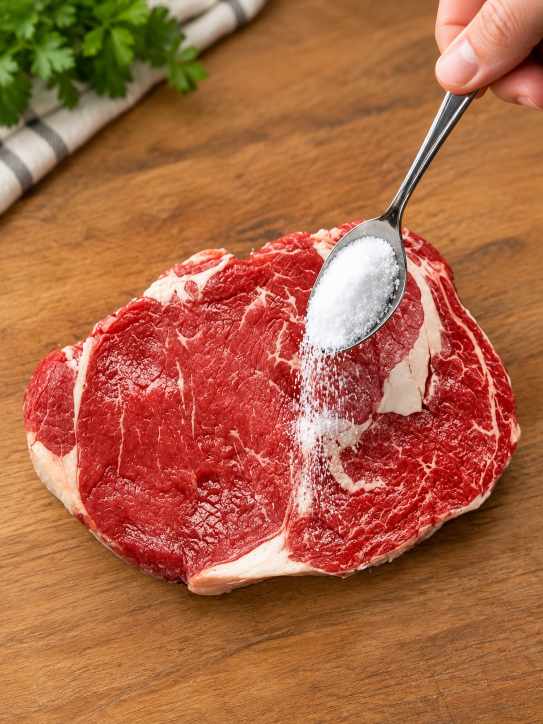
Have you ever wondered how restaurants achieve incredibly tender, juicy meat? One simple pantry staple that can help is baking soda. When used correctly, this common ingredient can improve the texture of certain cuts of meat, making them softer and more succulent.
Used in some Asian cooking techniques, including methods commonly associated with “velveting,” baking soda helps tenderize meat by changing its surface pH. Whether you're cooking beef, chicken, or pork, this technique can help you achieve delicious results at home.
What Is Baking Soda and Why Does It Work?
Baking soda (sodium bicarbonate) is an alkaline compound that raises the pH level on the surface of meat. This can help reduce protein tightening during cooking, allowing the meat to retain more moisture and develop a more tender texture.
Here's how baking soda can help:
- Raises the surface pH of the meat.
- Helps reduce protein tightening during cooking.
- Can improve moisture retention.
- Creates a softer, juicier texture when used correctly.
But how much baking soda should you use, and how long should it stay on the meat? The answer depends on the cut and the method you choose.
How to Tenderize Meat with Baking Soda
Method 1: Surface Coating (Best for Small Cuts)
This method works well for thinly sliced beef or chicken intended for stir-fries and other quick-cooking dishes.
Steps:
- Slice the meat thinly against the grain.
- Sprinkle a small amount of baking soda evenly over the meat, using approximately ½ teaspoon per 250 g of meat as a starting point.
- Let it sit for 15–20 minutes.
- Rinse thoroughly under cold running water to remove the baking soda.
- Pat the meat dry with clean paper towels and cook as desired.
Because baking soda can affect flavor and texture if overused, avoid adding more than necessary. Adjust the amount and resting time according to the recipe and the thickness of the meat.
Method 2: Baking Soda Solution (For Larger Cuts)
A diluted baking soda solution is another option for certain larger pieces of meat. However, this method should be used carefully because prolonged soaking can affect the texture.
Steps:
- Dissolve 1 teaspoon of baking soda in 1 cup of water.
- Place the meat in the solution and refrigerate it for 15–30 minutes.
- Remove the meat and rinse it thoroughly under running water.
- Pat it dry with clean paper towels.
- Cook the meat using your preferred method.
For food safety, keep raw meat refrigerated during the process and avoid leaving it at room temperature for extended periods. Always clean surfaces and utensils that come into contact with raw meat.
Now that you know the two main methods, let's look at which cuts benefit most from this technique.
Best Types of Meat to Use This Technique On
Baking soda tenderizing is particularly useful for certain cuts and cooking styles, including:
- Beef: Thinly sliced flank steak and other suitable, relatively tough cuts.
- Chicken breast: Especially when sliced for stir-fries.
- Pork: Thin slices intended for quick cooking.
- Stir-fry meats: Small, evenly cut pieces that cook quickly over high heat.
Very tender, premium cuts may not need this treatment. The best results usually come from choosing a suitable cut and matching the tenderizing method to the recipe.
When to Use Baking Soda for Tenderizing
This technique can be useful for:
- Beef and chicken stir-fries.
- Quick-cooking dishes prepared in a skillet or wok.
- Recipes using budget-friendly cuts of meat.
- Meal preparation involving sliced meat for fast cooking.
For slow-cooked dishes, other methods may be more suitable, depending on the cut and desired texture.
Even a small amount can make a difference, but a few simple precautions will help you avoid common mistakes.
Important Tips for the Best Results
- Use baking soda sparingly: Too much can leave an unpleasant, alkaline taste and create an undesirable texture.
- Rinse thoroughly: Removing excess baking soda helps prevent unwanted flavor changes.
- Avoid excessive tenderizing time: Leaving meat in baking soda for too long can make its texture mushy.
- Add flavor with marinades: After rinsing and drying the meat, season it with your preferred herbs, spices, or marinade.
- Slice against the grain: Cutting across the muscle fibers can make meat easier to chew.
- Cook safely: Use a food thermometer when appropriate to ensure the meat reaches a safe internal temperature.
Common Mistakes to Avoid
To get the best results from baking soda tenderizing, avoid these common errors:
- Skipping the rinsing step when using a method that calls for rinsing.
- Using excessive amounts of baking soda.
- Leaving meat in the mixture for too long.
- Applying the technique unnecessarily to already tender cuts.
- Leaving raw meat unrefrigerated during tenderizing.
Wondering whether baking soda is actually the best option? Comparing it with other popular tenderizing methods can help you decide.
Baking Soda vs. Other Tenderizing Methods
| Method | Effectiveness | Flavor Impact | Best For |
|---|---|---|---|
| Baking soda | Can improve tenderness when used correctly | Usually minimal when properly rinsed | Thinly sliced meat for quick cooking |
| Salt brine | Can help meat retain moisture | Adds saltiness and seasoning | Meat that benefits from seasoning and moisture retention |
| Acid marinade (vinegar or lemon) | Can affect surface texture | Adds tangy flavor | Barbecue, grilling, and marinated dishes |
| Mechanical tenderizing (pounding) | Physically breaks down and flattens meat | Does not directly change flavor | Thin cutlets and pieces that need even thickness |
Each method works differently, and the best choice depends on the cut of meat, cooking time, and flavor you want to achieve. Baking soda is especially useful when preparing thinly sliced meat for quick-cooking dishes.
Does Baking Soda Change the Taste?
When used in an appropriate amount and rinsed thoroughly, baking soda generally has little noticeable effect on the final flavor of the meat. However, using too much or failing to remove the residue can leave an unpleasant alkaline taste.
For best results, use a modest amount, follow the recommended resting time, and season the meat after rinsing and drying it.
There's another technique worth knowing if you love the smooth, tender texture of meat in Chinese-style restaurant stir-fries.
Pro Chef Tip: The Velveting Technique
In Chinese cuisine, velveting is a preparation technique used to give meat a smooth, tender texture before stir-frying. Depending on the recipe, it may involve a marinade containing cornstarch, egg white, oil, or other ingredients. Some versions also use a small amount of baking soda.
The exact ingredients and preparation methods vary. Cornstarch can help coat the meat, while the other ingredients contribute to its texture and moisture during cooking.
For a simple home version, thinly slice the meat against the grain, tenderize it with a suitable method, and then coat it with a carefully prepared marinade before cooking. Avoid using excessive baking soda, and cook the meat thoroughly.
Recipes Where This Trick Works Best
Baking soda tenderizing can be useful when preparing a variety of quick-cooking meals, including:
- Beef stir-fry.
- Chicken with vegetables.
- Pepper steak.
- Teriyaki beef bowls.
- Garlic shrimp and meat combinations.
For dishes containing shrimp, remember that shrimp is naturally delicate and generally does not need the same tenderizing treatment as tougher cuts of beef or chicken.
Conclusion
Using baking soda to tenderize meat is a simple kitchen technique that can improve the texture of suitable cuts, especially when preparing stir-fries and other quick-cooking meals. It is inexpensive, easy to try, and can be a useful addition to your everyday cooking routine.
Unlock Better Cooking at Home
With a small, carefully measured amount of baking soda and the right preparation method, you can make certain cuts of meat more tender and juicy. Remember to avoid overusing it, follow the recommended resting time, and rinse thoroughly when required.
Once you understand how this technique works, you'll have another practical way to prepare flavorful, tender meat for your favorite homemade dishes.