Which Banana Is Actually the Healthiest?
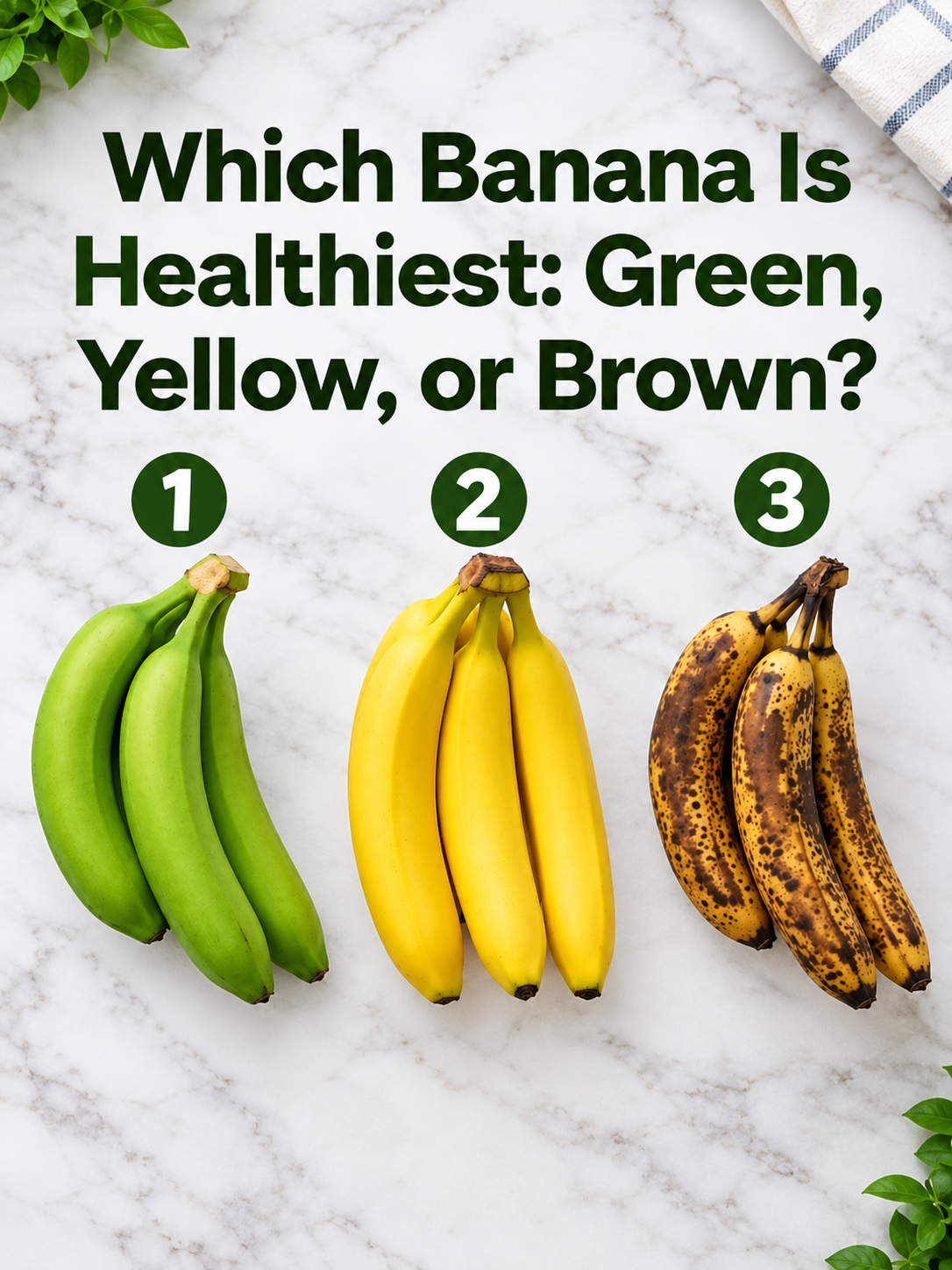
Bananas are one of the easiest fruits to enjoy. They come in their own natural packaging, require no preparation, and provide a quick source of energy when hunger strikes. But have you ever wondered whether a green banana is healthier than a bright yellow one? What about bananas covered in brown spots?
The truth is that a banana's nutritional benefits can change as it ripens. Green bananas, ripe yellow bananas, and heavily spotted bananas all offer valuable nutrients, but they differ in starch content, sweetness, digestibility, and how they may affect blood sugar.
So, which banana deserves the title of healthiest? The answer depends on your goals, whether you're looking for more resistant starch, a convenient pre-workout snack, or a naturally sweet addition to breakfast.
1. Green Bananas: Best for Resistant Starch
Green bananas are harvested before they fully ripen, so their flesh tends to be firm, mildly bitter, and less sweet than that of yellow bananas.
Their biggest nutritional advantage is their higher content of resistant starch. This type of carbohydrate resists digestion in the small intestine and can reach the large intestine, where gut bacteria ferment it.
Potential Benefits of Green Bananas
Support gut health: Resistant starch can act as a prebiotic, providing food for certain beneficial intestinal bacteria.
Help with fullness: Less-ripe bananas contain more resistant starch and may help some people feel satisfied for longer.
Offer less natural sugar per serving than fully ripe bananas: As a banana ripens, some of its starch breaks down into sugars.
Green bananas may be a useful choice for people interested in increasing their resistant starch intake. However, individual responses vary, and the amount of resistant starch depends on the banana's ripeness and preparation.
One thing to keep in mind: Green bananas can be harder to digest for some people and may cause bloating or gas, especially when eaten in large quantities. If you have a sensitive stomach, try a small portion first.
But resistant starch isn't the only nutritional factor worth considering. Here's why a familiar yellow banana can be an excellent everyday choice.
2. Yellow Bananas: The Best All-Around Choice
For most people, a fully yellow banana is an excellent everyday option. It offers a balance of natural sweetness, useful nutrients, and convenient energy.
As the banana ripens, much of its starch converts into simpler sugars. The fruit becomes softer, sweeter, and generally easier for many people to chew and digest.
Why Yellow Bananas Are a Healthy Choice
Yellow bananas provide several important nutrients, including:
Potassium: Helps support normal muscle contraction, nerve function, and fluid balance.
Vitamin B6: Plays a role in protein metabolism, nervous system function, and the production of certain neurotransmitters.
Vitamin C: Supports normal immune function and helps the body absorb iron from plant foods.
Dietary fiber: Contributes to digestive health and helps maintain regular bowel movements.
Yellow bananas are also convenient before exercise because their carbohydrates provide readily available energy. Pairing one with yogurt, nuts, or peanut butter can make a more filling snack by adding protein or healthy fats.
For everyday eating, a yellow banana is a practical choice for most healthy adults. It provides a useful mix of carbohydrates, fiber, and micronutrients without requiring any special preparation.
As bananas ripen further, their sweetness increases and their texture changes. Those brown spots may actually make the fruit more useful in the kitchen.
3. Spotted Bananas: Best for Natural Sweetness
As bananas continue to ripen, brown spots often appear on their peels. These spots are usually a normal part of the ripening process, not a sign that the fruit is spoiled.
The flesh generally becomes softer and sweeter as more starch is converted into sugars. That makes spotted bananas especially useful for smoothies, oatmeal, banana bread, and other recipes where a naturally sweet flavor is welcome.
Are Brown-Spotted Bananas More Nutritious?
Not necessarily in every respect.
Bananas provide beneficial nutrients throughout the ripening process, although their composition changes. Spotted bananas generally contain less resistant starch than greener ones because more of that starch has been converted into sugars.
Some research has examined changes in antioxidant activity during fruit ripening, but it is misleading to claim that every brown spot means a banana has dramatically more antioxidants or is universally healthier.
Spotted bananas can still be a nutritious choice. Their sweetness may also make it easier to reduce the amount of added sugar in certain recipes.
A useful tip: If your bananas have brown spots but the flesh smells fresh and looks normal, they are usually fine to eat. Discard bananas with mold, leaking liquid, or an unpleasant fermented or rotten smell.
When the peel becomes extensively brown and the flesh turns very soft, the banana may be perfect for baking. However, ripeness and spoilage are two different things.
4. Very Ripe Bananas: Great for Baking, but Watch Portions
A very ripe banana has a soft texture, a strong sweet flavor, and often a peel with extensive brown patches. As long as it has not spoiled, it can be a delicious ingredient.
Its natural sugars make it particularly useful in recipes such as muffins, pancakes, smoothies, and quick breads.
However, very ripe bananas are not automatically the best choice for everyone. Because they contain less resistant starch and more readily available sugars than green bananas, people who monitor their blood glucose may prefer to consider portion size and what they eat alongside the fruit.
That does not mean ripe bananas are unhealthy or must be avoided. The overall meal, the amount eaten, and an individual's response to carbohydrates all matter.
For a more balanced snack, combine a ripe banana with protein or fat, such as plain Greek yogurt, nuts, or nut butter. This combination may help make the snack more satisfying.
But what if you're concerned about blood sugar? The answer involves more than simply choosing the greenest banana you can find.
5. Which Banana Is Best for Blood Sugar?
This is where ripeness can matter, but the answer is not as simple as choosing green every time.
Green bananas generally contain more resistant starch and less sugar than ripe bananas. These characteristics may affect how quickly their carbohydrates are digested. However, the actual blood-glucose response varies with ripeness, portion size, preparation, and individual factors.
If you have diabetes or need to manage blood glucose, consider these practical steps:
- Choose a portion that fits your individual eating plan.
- Try eating a banana with a source of protein, fiber, or healthy fat.
- Pay attention to how different levels of ripeness affect your own blood-glucose readings, if you monitor them.
- Remember that dried bananas and banana chips can be more concentrated sources of carbohydrates per serving than fresh fruit.
You do not necessarily need to avoid ripe bananas. A healthcare professional or registered dietitian can help you determine suitable portions based on your needs.
Beyond ripeness, there's another simple factor that can change the nutritional value of your snack: the size of the banana itself.
6. Does Banana Size Matter?
Yes. Size affects how much carbohydrate and how many calories you consume.
A small banana contains less total carbohydrate than a large one, even if both are equally ripe. If you are tracking carbohydrates or managing your energy intake, the portion matters at least as much as the peel color.
Fresh bananas are also a source of fiber, but they should not be treated as a complete meal by themselves. Pairing them with other foods can provide a broader range of nutrients and help you stay satisfied.
Now that you know how ripeness, portion size, and nutritional needs work together, let's find out which banana may be the best fit for you.
So, Which Banana Is Actually the Healthiest?
There is no single winner for everyone. The healthiest banana is often the one that best fits your nutritional needs and that you enjoy eating regularly.
Here's a simple guide:
- For resistant starch and gut health: Choose a green or just-turning-yellow banana.
- For everyday nutrition and convenience: Choose a fully yellow banana.
- For smoothies and naturally sweet recipes: Choose a yellow banana with brown spots.
- For baking with less added sugar: Choose a very ripe banana, provided it has not spoiled.
- For blood-glucose management: Pay attention to portion size, ripeness, and what you eat with the banana.
All these stages can fit into a balanced diet. You do not need to force yourself to eat firm, green bananas if you dislike their texture, nor do you need to avoid brown-spotted bananas simply because their appearance has changed.
Still wondering whether you should choose green or yellow bananas every day? These answers to common questions can help clear things up.
Frequently Asked Questions
Are Green Bananas Healthier Than Yellow Bananas?
Green bananas contain more resistant starch, which can support gut bacteria and may help with fullness. Yellow bananas are sweeter and often easier to digest. Neither is universally healthier; the better choice depends on your needs.
Do Brown Spots Mean a Banana Has Gone Bad?
No. Brown spots commonly indicate ripening. Check the fruit's smell, texture, and appearance rather than relying on peel color alone.
Is It Healthy to Eat a Banana Every Day?
For most healthy people, eating a banana daily can be part of a balanced diet. Bananas provide potassium, vitamin B6, vitamin C, and fiber. Variety matters, too, so include other fruits and vegetables throughout the week.
Which Banana Is Best Before a Workout?
A yellow banana is a convenient source of carbohydrates before exercise. The ideal timing and portion depend on your workout and personal tolerance.
Should People With Diabetes Avoid Ripe Bananas?
Not necessarily. Ripe bananas contain more readily available sugars than green bananas, but portion size and the overall meal also matter. People managing diabetes should follow individualized medical or dietary guidance.
With these questions answered, the main takeaway is simple: you can enjoy bananas at different stages of ripeness while making choices that suit your preferences and nutritional needs.
The Bottom Line
Green, yellow, and brown-spotted bananas each have something to offer. Green bananas are richer in resistant starch, yellow bananas make an excellent everyday snack, and spotted bananas are naturally sweet and especially useful in cooking.
Rather than searching for one perfect stage of ripeness, choose bananas that suit your digestion, preferences, and nutritional goals. A varied, balanced diet matters far more than whether your banana has a green tip or a few brown spots.