I Had No Idea! Gotta Do This for My Entryway
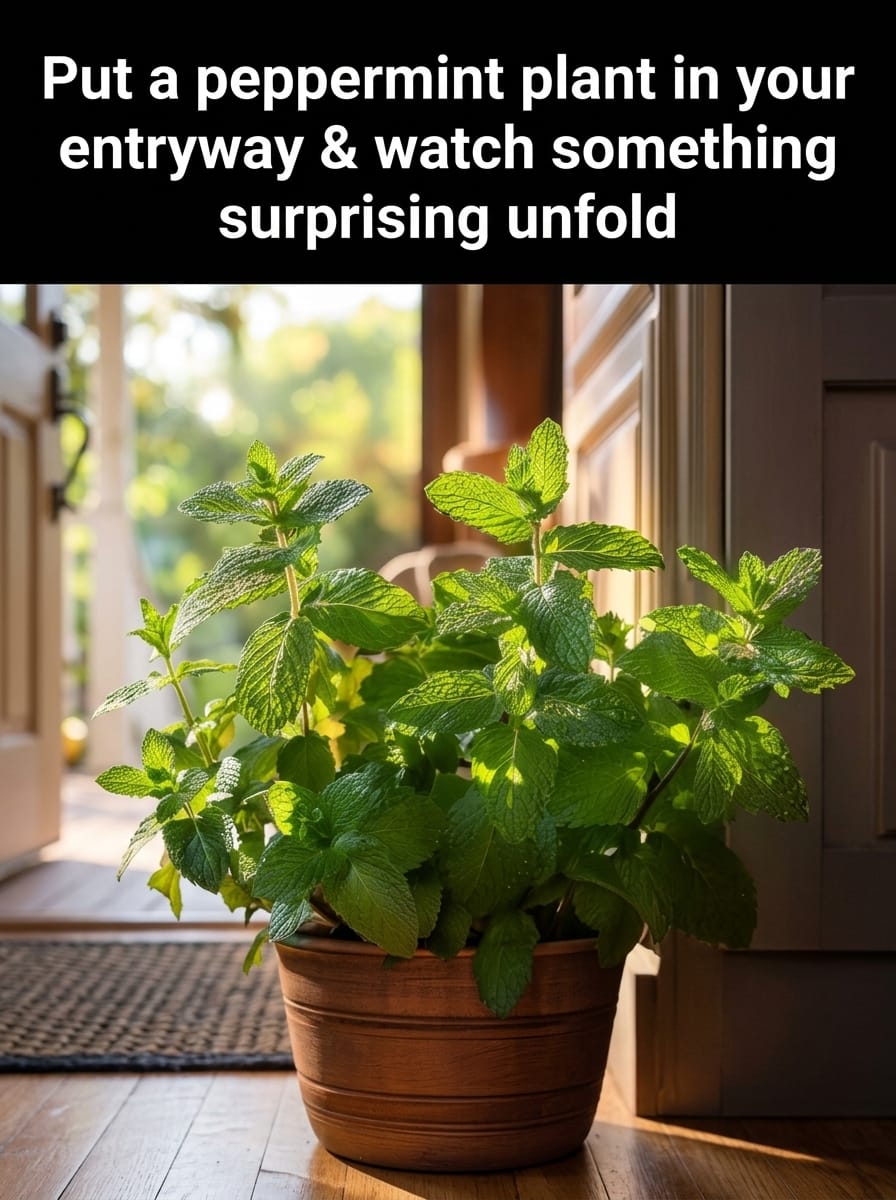
Peppermint, a herb admired for its refreshing scent and versatile uses, has long been cherished in various cultures around the world. With its vibrant green leaves and invigorating aroma, peppermint not only finds a place in our kitchens but also in our home decor. Bringing a peppermint plant into your home can be a game-changing decision, especially when placed in the entryway. This often-overlooked spot can become a welcoming, refreshing space that surprises you and your guests in a myriad of ways.
Why the Entryway Is the Perfect Spot
The entryway is the first impression of your home. It sets the tone for what lies beyond and offers a glimpse into your personal style. Placing a peppermint plant here adds a touch of nature’s elegance and instantly breathes life into the space. The entryway, often subjected to varying foot traffic and environmental conditions, can be a suitable location for a peppermint plant, provided it receives adequate light and care while offering a delightful welcome to everyone who steps inside.
Benefits of Peppermint Plants
Peppermint plants are not only aesthetically pleasing but also offer several practical benefits. Their fragrant leaves release a refreshing aroma when brushed or crushed, and the plant can add a natural touch to your home decor. Peppermint leaves can be used to make refreshing teas, added to recipes for a hint of minty freshness, and incorporated into certain traditional home remedies. Peppermint is also commonly used in aromatherapy, although its effects on digestion, headaches, and other symptoms can vary from person to person.
Although peppermint is sometimes promoted as a natural way to improve indoor air quality or repel household pests, a potted plant alone should not be relied upon to purify the air or keep insects and rodents out of your home.
Before choosing the perfect spot, discover how a few simple care habits can help your peppermint plant flourish.How to Care for Your Peppermint Plant
Caring for a peppermint plant is relatively straightforward, making it a suitable choice for beginners. Ensure the plant receives partial sunlight or bright, indirect light, as excessive direct sun can scorch its leaves, particularly in hot conditions.
Water the plant regularly, keeping the soil consistently moist but not waterlogged. Using a pot with good drainage is essential to help prevent root rot. Occasional pruning encourages bushier growth and helps the plant maintain its vibrant appearance. It is also a good idea to check periodically for pests and remove damaged leaves to keep the plant healthy.
Peppermint can spread quickly, so growing it in a pot is often a practical choice. If your entryway receives little natural light, consider placing the plant near a brighter window or moving it to a more suitable location when necessary.
Common Surprises: What to Expect
Once you place a peppermint plant in your entryway, you might be surprised by how it changes the atmosphere. Brushing against its leaves can release a pleasant, minty aroma, making the space feel fresher and more inviting. Your guests may compliment the greenery and the natural touch it brings to your home.
You may also notice occasional insects around the entryway, depending on the season and surrounding conditions. Although peppermint's scent is sometimes associated with pest deterrence, the presence of a live peppermint plant does not guarantee protection against ants, spiders, mice, or other unwanted visitors.
Beyond its practical uses, peppermint has another advantage that makes it especially appealing in a small or overlooked space: its striking natural appearance.Transforming Your Space: Visual Appeal
A peppermint plant adds a lush green touch to your entryway, making it feel more alive and inviting. Its bright, textured leaves create a beautiful contrast against typical home decor elements, including wooden furniture, neutral walls, decorative baskets, and ceramic pots.
The visual appeal of a peppermint plant helps break the monotony of indoor spaces by introducing a dynamic, natural element that can uplift the overall aesthetic of your home. Whether placed on a small console table, near a window, or on a suitable plant stand, it can become a simple yet attractive decorative feature.
Choosing a pot that complements your existing decor can make the arrangement feel intentional and harmonious. Just make sure the plant has enough light and is positioned where it will not obstruct the entrance or become easily damaged by passing visitors.
Aroma Enhancement: Welcoming Guests
The crisp, minty scent of peppermint can create a refreshing ambiance in your entryway. Unlike many synthetic fragrances, the plant offers a natural source of aroma, particularly when its leaves are gently touched or crushed.
The strength of the scent depends on the plant's condition, the number of leaves, and the surrounding environment. A potted peppermint plant may provide a subtle fragrance rather than continuously scenting the entire room, but it can still add a pleasant sensory detail to your home's entrance.
For those who appreciate natural decor and fresh herbal scents, peppermint can be a simple way to make the entryway feel more personal and welcoming.
Its refreshing fragrance is only part of the appeal, but what about the traditional health uses that have made peppermint popular for generations?Health Benefits: Natural Remedy
Peppermint has a long history of use in traditional remedies, and certain peppermint preparations have been studied for their potential health effects. However, the benefits depend on the form of peppermint used, how it is prepared, and the condition being addressed.
Fresh peppermint leaves can be used to prepare herbal tea, which many people enjoy after meals. Peppermint tea may feel soothing, but evidence for specific digestive benefits from the tea itself is limited. Some peppermint oil preparations have been studied for particular digestive symptoms, but these products are different from simply growing a peppermint plant at home.
The aroma of peppermint is also used in some aromatherapy products. While some people find the scent refreshing, it should not be considered a guaranteed treatment for headaches, nasal congestion, or other medical concerns.
Having a peppermint plant nearby makes fresh leaves convenient for culinary use, but it is important to distinguish traditional uses from proven medical treatments. People with ongoing or severe symptoms should seek appropriate medical advice rather than relying solely on herbal remedies.
Peppermint and Pests: A Natural Repellent
Peppermint's strong scent is often associated with natural pest-repellent methods. Certain peppermint oil formulations have shown repellent effects against some insects under specific conditions, but the results cannot automatically be applied to a live potted plant.
Placing peppermint in your entryway may add greenery and fragrance, but it should not be considered a reliable way to prevent ants, spiders, mice, or other pests from entering your home.
For more dependable pest prevention, keep entryways clean, store food in sealed containers, close gaps around doors and windows, and address any cracks or openings that could allow pests inside. If you choose to use peppermint oil products, follow their safety instructions and keep them away from children and pets when the label indicates a risk.
A peppermint plant can still be an appealing part of a natural home environment. Its main advantages are its attractive foliage, fresh aroma, and usefulness in cooking, rather than guaranteed pest control.
Conclusion: Embrace the Refreshing Experience
Incorporating a peppermint plant into your entryway decor is a simple way to bring more greenery and a refreshing herbal scent into your home. With its vibrant leaves, pleasant fragrance, and useful culinary applications, peppermint can be a valuable addition to many living spaces.
By choosing a suitable location, providing enough light, watering it correctly, and pruning it occasionally, you can enjoy a healthy plant that adds character to your entrance. While its potential health benefits and pest-repellent properties should not be overstated, peppermint remains an attractive and versatile herb to grow at home.
Embrace the refreshing experience of having peppermint near your entryway and discover how one small plant can make your home feel greener, more inviting, and a little more connected to nature.