Why Vertical Lines on Your Nails Often Appear With Age
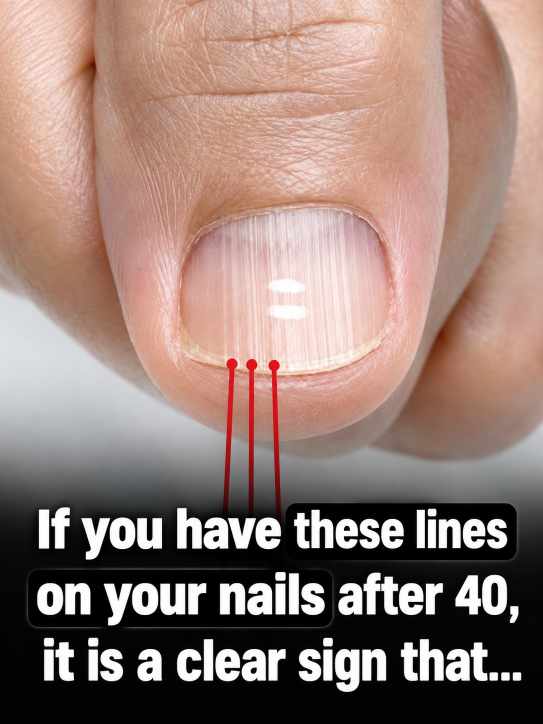
Noticing thin vertical lines running from the base of your fingernails to the tips can be surprising, especially as they become more visible with age. Many people first notice them after 40, and in most cases, they are completely normal.
These lines are known as vertical or longitudinal nail ridges. They are often a natural part of aging, similar to wrinkles in the skin or changes in hair texture. As the body matures, nails can gradually change in appearance and texture.
How Aging Affects Nail Growth
Fingernails are made of keratin, a protein produced in the nail matrix beneath the cuticle. Over time, changes in nail growth can contribute to subtle ridges along the nail surface.
Dryness can make these ridges more noticeable. As we age, nails may become drier and more brittle. Frequent handwashing, cleaning products, and harsh soaps can also strip away natural oils, making the nail surface appear more uneven.
Other Factors That May Contribute to Nail Ridges
Age is not the only factor that can affect nail texture. Lifestyle habits, nutritional deficiencies, and certain health conditions may also contribute to changes in nail appearance.
Nutrients such as iron, zinc, and protein play important roles in maintaining healthy nails. However, vertical ridges alone do not necessarily indicate a nutritional deficiency, and supplements are not usually needed unless a deficiency has been identified.
Circulation and general health can also influence nail growth. Changes in blood flow or certain underlying conditions may affect the appearance of the nails, although ordinary vertical ridges are often harmless.
Simple Ways to Care for Aging Nails
Taking care of your nails can help reduce dryness and protect them from everyday damage. A few simple habits can make a difference:
- Moisturize regularly: Apply hand cream or a moisturizing ointment to your nails and cuticles, especially after washing your hands.
- Wear protective gloves: Use gloves when cleaning, washing dishes, or handling household products that may irritate or dry out your nails.
- Stay hydrated: Drink enough fluids throughout the day to support your overall health.
- Eat a balanced diet: Include adequate protein, vegetables, fruits, and other nutrient-rich foods to support normal nail growth.
- File gently: Keep your nails at a comfortable length and avoid aggressive buffing, which can thin and weaken the nail plate.
- Limit harsh treatments: Frequent use of strong nail products, acetone-based removers, and artificial nails may contribute to dryness or damage.
When Should You Pay Attention to Nail Changes?
Although vertical nail ridges are usually harmless, it is worth paying attention to changes in nail color, shape, thickness, or growth. New or pronounced changes affecting only one nail may deserve closer examination.
Consider consulting a healthcare professional if a ridge appears suddenly, becomes significantly more pronounced, or is accompanied by pain, swelling, bleeding, nail separation, or unusual discoloration. A new dark vertical line, especially one that widens or changes over time, should be assessed promptly.
Vertical ridges are often a normal part of aging and do not necessarily signal an underlying health problem. By keeping your nails moisturized, protecting them from damage, and paying attention to unusual changes, you can help maintain their health and appearance as you get older.