How to Clean Sticky Grease Off Kitchen Cabinets
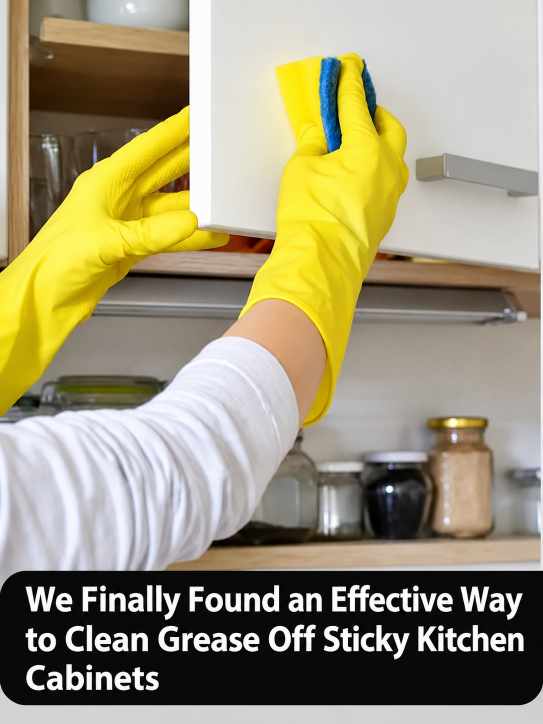
Grimy cabinets can make an otherwise clean kitchen look dull and dirty. Fortunately, you can remove sticky grease from your kitchen cabinets using simple, affordable cleaning products and a little effort.
Kitchen cabinets take a lot of abuse. We open and close them countless times a day, and judging from the fingerprints, we don't always use the knobs and handles.
Cooking adds even more grime in the form of food splatters and oil-laden steam. Even if you have a vent hood or use a splatter guard while cooking, oils can leave a residue on your cabinets.
Dust and dirt in the air get trapped in that residue, gradually coating your cabinets with a sticky mess.
The first step to keeping your kitchen cabinets clean is to wipe up spills promptly. "It's essential to promptly clean up any spills," says Dan Deonarain, owner of Galaxy Maids, a residential and commercial cleaning company serving the New York City and Boston metropolitan areas.
Quickly cleaning up spills is important throughout your home, but particularly in the kitchen. You'll save yourself considerable time and effort if you don't let messes build up.
So, what's the best way to clean sticky grease off kitchen cabinets? Here's how to tackle the job, from everyday grime to stubborn stains.
Tools and Supplies for Cleaning Sticky Kitchen Cabinets
Before you begin, gather the right supplies to make cleaning easier and help protect your cabinet finishes.
Heavy-Duty Degreaser
A heavy-duty degreaser can be useful for removing stubborn grease from cabinet exteriors. One option is Ecolab Heavy-Duty Citrus Degreaser, which has been praised by some users for its ability to loosen greasy residue before wiping.
Its citrus scent may also help reduce lingering kitchen odors. However, product formulations, prices, and approved uses can vary, so always check the label before applying a degreaser to your cabinets.
Even when a product is marketed for multiple surfaces, don't assume it is suitable for every cabinet material or finish. Test it on a small, inconspicuous area first, especially on painted, varnished, or delicate wood surfaces.
Soft Cloth or Sponge
Use a soft microfiber cloth or a nonabrasive sponge to wipe away grease and cleaning solutions without scratching the cabinet surface. Avoid rough scouring pads, steel wool, or anything else that could damage the finish.
Dish Soap
When in doubt, dish soap is a simple option for removing grease and grime from kitchen cabinets. It contains surfactants that help loosen oily residue so it can be wiped away with water.
Dish soap is often a good starting point because it is readily available and generally gentle when diluted appropriately. Use a small amount rather than applying concentrated soap directly to the cabinets.
Vinegar and Baking Soda
White vinegar and baking soda are common household cleaning ingredients that may help with certain cabinet stains. They can be useful for some interior cleaning tasks, but they are not suitable for every material or finish.
Before using either ingredient, check the cabinet manufacturer's care instructions. Vinegar can affect some finishes, while baking soda may scratch delicate surfaces because it is mildly abrasive.
How to Clean Cabinet Exteriors
If you're using a commercial degreaser, follow the instructions on its label. Some products can be sprayed onto greasy surfaces and left briefly before wiping, but the recommended contact time and dilution requirements vary.
For particularly stubborn grease, you may need to repeat the process. Avoid letting cleaning products dry on the surface, and rinse away any residue as directed by the manufacturer.
If you prefer a simple do-it-yourself method, warm water and dish soap are a good place to start. "For the outside, you want to start with warm water and dish soap," says Deonarain.
Dishwashing liquid can cut through grease while remaining relatively gentle when properly diluted. However, always consider the material and finish of your cabinets before choosing a cleaning method.
Step-by-Step Cleaning Instructions
1. Prepare a cleaning solution. Fill a bucket or bowl with warm water and add a small amount of dishwashing liquid. A few drops may be enough for a small cleaning job.
2. Dampen a soft cloth. Dip a microfiber cloth or soft sponge into the solution and wring it out thoroughly. The cloth should be damp rather than dripping wet, especially when cleaning wood cabinets.
3. Wipe the cabinet surfaces. Gently work the soapy solution over the greasy areas. Pay particular attention to spots around handles, knobs, corners, and the areas closest to the stove, where grease tends to accumulate.
4. Remove soap residue. Use a separate clean cloth dampened with plain water to wipe away any remaining soap.
5. Dry the cabinets. Finish with a dry, soft cloth. Removing excess moisture is especially important for wood cabinets, since prolonged exposure to water can damage some finishes or cause swelling.
For heavy buildup, clean a small section at a time rather than soaking the entire cabinet surface. This approach gives you more control and helps prevent excess moisture from reaching seams and edges.
How to Clean Kitchen Cabinet Interiors
Inside cabinets, spills and stains can go unnoticed for a long time. "Inside cabinets can be an area where you don't always see trouble spots immediately," says Deonarain.
Even if you regularly wipe the outside of your cabinets, a drip of honey, a splash of spaghetti sauce, or a spill from a food container can easily go unnoticed inside.
The best approach is to empty the affected cabinet, remove loose crumbs, and clean the stain using a method suitable for the interior surface.
Removing Everyday Stains
A solution of equal parts white vinegar and water is sometimes used for general cleaning, but it should only be applied to surfaces that can tolerate acidic cleaners. Avoid using vinegar on natural stone and certain delicate or coated materials.
For food stains inside cabinets, begin with a soft cloth dampened with warm water and a small amount of dish soap. Wipe the area gently, then use a clean, damp cloth to remove soap residue. Dry the surface thoroughly before returning food or other items to the cabinet.
For dried-on stains that do not respond to gentle cleaning, a small amount of baking soda mixed with water may help on suitable, durable surfaces. Apply it carefully and test it in an inconspicuous area first, since baking soda can leave scratches on some finishes.
Although vinegar and baking soda are often recommended together, mixing them is not necessary for most cleaning tasks. Vinegar is a weak acid, while baking soda is a weak base. When combined, they react to produce carbon dioxide and water, reducing the effectiveness of each ingredient's original cleaning properties.
Using the appropriate cleaner separately is usually a more practical approach than mixing the two.
How to Remove Stubborn Grease and Stains
If you find a crusty, unidentified spot on the outside of a cabinet that doesn't respond to a soft sponge or microfiber cloth, an old toothbrush may help you reach the affected area. Make sure the toothbrush is reserved for cleaning and will not be used for oral hygiene again.
First, apply a suitable cabinet cleaner according to its instructions. Allow it to work for the recommended amount of time, then gently scrub the stain with the toothbrush using light pressure.
Once the residue loosens, wipe the area with a clean, damp microfiber cloth or sponge. Remove any remaining cleaning product as directed and dry the cabinet surface.
Be careful when treating stubborn stains on wood or painted cabinets. Do not assume that a stronger cleaner or more vigorous scrubbing will produce better results; either can damage the finish.
Avoid using vinegar or baking soda on cabinet exteriors without testing them first. Both can affect certain finishes, particularly on delicate wood surfaces. Test any cleaning solution in a hidden spot and stop if you notice discoloration, dullness, or other changes.
Establish a Quarterly Cabinet-Cleaning Routine
One of the best ways to prevent sticky grease from becoming difficult to remove is to clean your cabinets regularly. Periodically empty your cabinets so you can inspect the shelves, corners, and interior surfaces for spills and stains.
Deonarain recommends doing this quarterly. If cleaning every cabinet at once feels overwhelming, divide the job into three sections and tackle a different section each month. This makes the work more manageable while ensuring that all your cabinets receive attention regularly.
During each cleaning session, remove the contents, wipe away crumbs and spills, clean the surfaces with an appropriate product, and allow everything to dry before putting items back.
Use the opportunity to check expiration dates, discard unwanted items, and reorganize your shelves. Regular cleaning not only helps prevent stains from setting in but also keeps your kitchen storage neat and organized.
Tips for Keeping Kitchen Cabinets Grease-Free
A few simple habits can make cabinet maintenance much easier:
- Wipe up food spills as soon as possible.
- Clean greasy fingerprints around knobs and handles regularly.
- Use your range hood or ventilation system while cooking to help reduce airborne grease.
- Wipe nearby cabinet surfaces after frying or preparing foods that produce a lot of oil or steam.
- Use soft cloths and nonabrasive sponges to protect cabinet finishes.
- Avoid soaking wood cabinets or allowing water to collect around seams and edges.
- Check product labels and cabinet care instructions before using a new cleaner.
- Test cleaning solutions in an inconspicuous area before applying them to a larger surface.
With regular maintenance and the right cleaning products, you can prevent grease from building up and keep your kitchen cabinets looking fresh. Acting quickly on spills and using gentle cleaning methods will usually make the job easier while helping preserve the finish of your cabinets.